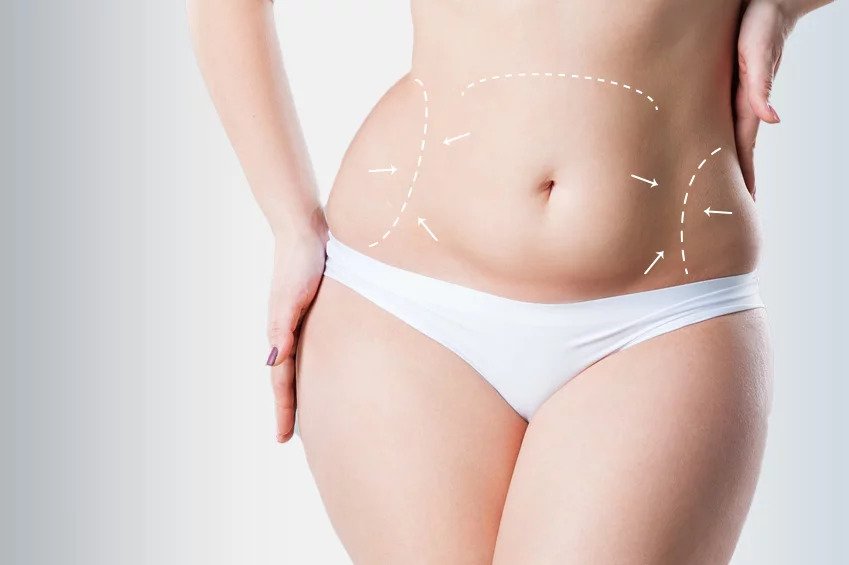
Liposuction is a body-contouring procedure designed to remove localised fat deposits and improve the overall shape of selected areas. However, achieving balanced body proportions involves more than deciding where fat should be removed. Each treatment area has its own anatomical characteristics, and the most appropriate approach depends on the patient’s body shape, fat distribution, skin elasticity, and personal goals.
When considering Liposuction Dubai, patients may wish to address several areas, such as the abdomen, flanks, back, thighs, arms, or under the chin. Although treating multiple areas may appear to be the most direct way to achieve a comprehensive transformation, a carefully planned approach considers how these areas relate to one another and which concerns deserve priority.
A personalised treatment plan helps establish realistic objectives, determine suitable treatment areas, and maintain natural-looking proportions. At Cornerstone Clinic, understanding how different areas are evaluated can help patients prepare for a consultation and make informed decisions about body contouring.
Understanding the Importance of Treatment Area Prioritisation
Prioritising liposuction areas means identifying which parts of the body would benefit most from treatment and determining how each area contributes to the overall contour. This process is not simply about selecting the areas with the largest fat deposits.
For example, a patient may be concerned about abdominal fullness, but the appearance of the waist and lower back may also influence the overall silhouette. Treating the abdomen without considering these neighbouring areas may not address the patient’s complete aesthetic concern.
Similarly, someone who wants a more defined waistline may benefit from an assessment of the flanks and back rather than focusing exclusively on the front of the abdomen.
The purpose of prioritisation is to create a coherent treatment strategy based on the patient’s anatomy and desired outcome. It also helps establish which areas should be considered first and whether treating additional areas would meaningfully improve the overall result.
How Body Shape Influences the Choice of Liposuction Areas
Body shape is one of the first considerations when developing a liposuction treatment plan. Fat distribution varies between individuals, meaning that the same treatment approach will not produce identical results for everyone.
Some patients accumulate fat predominantly around the abdomen and waist, while others notice more fullness in the thighs, hips, upper arms, or back. These differences influence which areas may be suitable for treatment.
Evaluating Overall Body Proportions
The relationship between the upper body, waist, hips, and lower body can influence how balanced the figure appears. During consultation, a surgeon may assess these proportions to understand which areas contribute most to the patient’s concerns.
For instance, reducing fullness around the flanks may help create a more defined waistline. In another patient, the primary concern may be fullness around the lower abdomen, making that region the main focus.
Identifying Localised Fat Deposits
Liposuction is generally intended for localised fat deposits rather than overall weight reduction. A treatment plan therefore focuses on areas where stubborn fat remains despite reasonable lifestyle measures.
The location, distribution, and extent of these deposits help determine whether liposuction may be appropriate. Patients should also understand that the procedure does not replace weight management or address every cause of body contour changes.
Which Liposuction Areas May Receive Priority?
The priority areas vary according to individual anatomy and aesthetic goals. Several regions are commonly assessed when planning body contouring.
Abdomen and Lower Abdominal Area
The abdomen is a frequent concern for patients considering liposuction. Fat may accumulate in the upper abdomen, lower abdomen, or across the central abdominal region.
Assessment considers the distribution of fat, the thickness of the tissue, and the condition of the overlying skin. The surgeon also evaluates whether the abdominal appearance is primarily related to subcutaneous fat or whether other factors, such as loose skin or abdominal muscle separation, may be contributing.
When loose skin is a significant concern, liposuction alone may not provide the desired contour. The consultation helps clarify whether a different or additional procedure should be discussed.
Waist and Flanks
The flanks, sometimes called the love-handle area, are located along the sides of the waist. Fullness in this region can affect the transition between the abdomen and hips.
For patients seeking improved waist definition, the flanks may be considered alongside the abdomen. Treating these areas in relation to one another can help create a more consistent contour rather than an isolated change in one part of the body.
Back and Bra-Line Area
Fat deposits around the upper or lower back can influence the appearance of the torso from the side and rear. Some patients notice fullness around the bra line, while others are more concerned about the lower back and the transition into the waist.
The surgeon assesses the distribution of tissue and considers how back contouring may complement the planned treatment of the abdomen and flanks.
Thighs and Hips
The inner thighs, outer thighs, and hip region may be considered when localised fat affects the overall outline of the lower body.
However, each area has different anatomical features. The inner thighs may require particular attention to skin elasticity and contour transitions, while the outer thighs may be assessed in relation to the hips and waist.
The objective is to improve proportion without creating an uneven or overly reduced appearance.
Upper Arms
Some patients seek liposuction to reduce localised fullness in the upper arms. Suitability depends on the amount and location of fat and the ability of the skin to adapt to the changed contour.
If loose skin is the dominant concern, removing fat alone may not achieve the intended result. The consultation should therefore establish whether liposuction is an appropriate option for the patient’s specific concern.
How Skin Elasticity Affects Treatment Priorities
Skin elasticity is an important consideration when deciding which areas to treat. After fat removal, the skin needs to adapt to the underlying contour. Its ability to do so varies depending on age, tissue characteristics, previous weight changes, and the area being treated.
An area with localised fat and relatively good skin elasticity may be more suitable for liposuction than an area where significant skin laxity is the main concern.
For example, a patient may have fullness around the lower abdomen alongside loose skin following substantial weight loss. In this situation, the surgeon may discuss whether liposuction alone is likely to meet the patient’s expectations or whether another body-contouring approach would be more appropriate.
Skin quality is therefore considered alongside fat volume, rather than treated as a secondary detail.
Why Treating Every Area Is Not Always Necessary
Patients sometimes assume that treating more areas will automatically produce a better outcome. In practice, the most effective plan is not necessarily the most extensive one.
A focused approach may be more appropriate when one or two areas account for most of the patient’s concerns. Additional treatment areas are considered when they contribute meaningfully to the overall body shape and can be addressed within an appropriate treatment plan.
Prioritisation also helps maintain realistic expectations. Liposuction can change the distribution of subcutaneous fat, but it does not guarantee a particular waist measurement, body shape, or degree of definition.
A surgeon may recommend concentrating on the areas that are most likely to improve the desired contour instead of treating regions that do not require substantial change.
Can Multiple Liposuction Areas Be Treated Together?
In selected patients, more than one area may be treated during the same procedure. Whether this is appropriate depends on the patient’s health, anatomy, the number and size of the proposed treatment areas, and the overall extent of surgery.
For example, the abdomen and flanks may be assessed together because they contribute to the same general waistline contour. In other cases, a patient may have concerns involving the arms and thighs that require separate consideration.
The surgeon determines whether combining areas is appropriate and whether a staged approach would better suit the treatment objectives. The decision should be based on individual assessment rather than a fixed number of areas.
The consultation also provides an opportunity to discuss the anticipated recovery period, practical arrangements, and the importance of following personalised aftercare instructions.
How Consultation Helps Establish a Personalised Treatment Plan
A consultation provides the foundation for deciding which areas should receive priority. It allows the surgeon to understand the patient’s concerns, examine the relevant anatomy, and assess whether the requested changes are realistic.
The process may include a review of medical history, previous weight changes, current weight stability, skin quality, and the distribution of localised fat. The patient’s expectations are also discussed to identify what they hope to achieve.
Photographs or anatomical measurements may be used when appropriate to support planning and document the initial body contours.
Patients should feel comfortable explaining which areas concern them most and asking how each proposed treatment area contributes to the overall plan. Clear communication helps ensure that the treatment strategy reflects their goals while remaining medically appropriate.
Understanding Liposuction Cost in Dubai
The cost of liposuction depends partly on the areas selected for treatment and the complexity of the proposed procedure. Treating several regions may involve a different surgical plan from treating one localised area.
When enquiring about Liposuction Cost in Dubai, patients should ask what the quoted fee includes and how the planned treatment areas influence the overall cost.
Other considerations may include the extent of the procedure, the surgical facility, anaesthesia arrangements, the surgeon’s fees, and follow-up care. The exact details vary between providers, so an individual quotation is more informative than relying on a general estimate.
It is also helpful to clarify whether the proposed plan includes all the areas discussed during consultation or whether additional areas would require separate arrangements.
Choosing a treatment plan should involve consideration of clinical suitability, the surgeon’s qualifications, and the quality of care, rather than cost alone.
Preparing for a Liposuction Consultation
Patients can make their consultation more productive by preparing a clear description of their goals. Rather than focusing only on individual body parts, it may help to explain the overall change they would like to see.
For example, someone may want a more defined waist, smoother contours around the back, or improved proportion between the abdomen and hips. These objectives give the surgeon a clearer understanding of the desired outcome.
Patients should also share relevant medical information, previous procedures, medication use, and significant changes in weight. They can ask which areas are most suitable for liposuction, whether the skin is likely to adapt to fat removal, and whether treating multiple areas together is appropriate.
A thorough discussion helps establish a treatment plan based on individual needs rather than a standard combination of procedures.
Conclusion
Prioritising liposuction areas requires careful consideration of body proportions, fat distribution, skin elasticity, and the patient’s aesthetic goals. The abdomen, flanks, back, thighs, hips, and upper arms may all be considered, but their suitability and importance vary from person to person.
A well-planned approach focuses on the areas that are most likely to improve the overall contour while recognising when another procedure or a more limited treatment plan may be appropriate. Treating multiple areas can be considered when clinically suitable, but the number of areas should never be the only measure of a successful plan.
For individuals exploring Liposuction Dubai, a personalised consultation at Cornerstone Clinic can help clarify the available options, establish realistic expectations, and explain how treatment areas may be prioritised. Understanding the reasoning behind each recommendation allows patients to make more informed decisions about their body-contouring journey.
Frequently Asked Questions
1. How are liposuction areas prioritised during consultation?
Areas are prioritised according to fat distribution, body proportions, skin elasticity, individual concerns, and the overall contour the patient hopes to achieve. The surgeon assesses how each area relates to the surrounding anatomy before recommending a treatment plan.
2. Which areas are commonly treated with liposuction?
Common treatment areas include the abdomen, waist, flanks, back, thighs, hips, and upper arms. The most appropriate areas depend on the patient’s anatomy and whether localised fat is the main concern.
3. Can the abdomen and flanks be treated together?
Yes, the abdomen and flanks may be treated together in suitable patients. These areas can influence the appearance of the waistline, so assessing them together may help the surgeon plan a more consistent overall contour.
4. Does skin elasticity affect the choice of liposuction areas?
Yes. Skin elasticity influences how well the skin may adapt after fat removal. If loose skin is the primary concern, liposuction alone may not achieve the expected result, and alternative options may need to be discussed.
5. Is it better to treat more areas during one procedure?
Not necessarily. The appropriate number of areas depends on the patient’s health, anatomy, treatment objectives, and the overall extent of surgery. A focused plan may be more suitable than treating every area of concern at once.
6. Can liposuction target several areas of the body?
Liposuction can address multiple areas in selected patients. The surgeon evaluates whether these areas can appropriately be treated together or whether separate stages would be more suitable.
7. Does liposuction help with overall weight loss?
Liposuction is primarily a body-contouring procedure for localised fat deposits, not a substitute for overall weight management. It is generally intended for patients whose weight is reasonably stable and who have specific areas they would like to address.
8. What determines Liposuction Cost in Dubai?
Liposuction Cost in Dubai depends on factors such as the number and size of treatment areas, the complexity of the procedure, anaesthesia, facility fees, and follow-up arrangements. Patients should request an individual quotation based on their proposed treatment plan.
9. How can I decide which liposuction area to treat first?
Start by identifying the area that concerns you most and describing the overall body contour you hope to achieve. During consultation, the surgeon can assess that area alongside neighbouring regions and explain which treatment priorities may best support your goals.
10. What should I ask before choosing liposuction treatment areas?
Ask whether you are a suitable candidate, how skin elasticity affects the expected outcome, whether multiple areas can be treated together, what alternatives may be appropriate, and what the proposed Liposuction Dubai treatment plan and total cost include.