Many apparel brands treat packaging as a one-time decision applied across their entire catalog. That works fine right up until a delicate blouse and a heavyweight denim jacket end up shipped in the exact same mailer, and one of them arrives looking noticeably worse than the other. Fabric isn’t uniform, garments aren’t built the same way, and packaging that ignores both tends to fail somewhere, usually in ways that don’t show up until a customer’s already opened the box.
Why Fabric Type Changes the Packaging Equation
Different fabrics respond to pressure, folding, and moisture in genuinely different ways, and packaging that doesn’t account for that is really just guessing.
Lightweight and delicate fabrics, such as silk, chiffon, and fine knits, wrinkle easily and can snag on rough packaging materials or sharp box edges. They also tend to be more sensitive to humidity, which matters more in transit than most brands assume, especially over longer shipping routes or in warmer climates.
Fabrics with structure, such as denim, canvas, or heavier cottons, hold shape and do not wrinkle, but a garment that is actually structured with a stiff collar, a tailored shoulder, reinforced seams, etc., can lose its shape if it is folded the wrong way or if it is crushed by other items in the same box.
Stretch and knitwear fall somewhere between. They put up with knowing they’ve been folded, but can get out of shape if they are packed too tightly or are not moved for a long time after they’re packed, as can be a problem for anything that travels slowly or is stored for a few days before its next move.
Matching Structure, Not Just Fabric
Fabric type is half the equation. The other half is how the garment itself is built, since a flat, unstructured tee behaves nothing like a tailored blazer, even if they’re made from similar material.
Flat-pack garments, t-shirts, basic knitwear, simple dresses fold cleanly and don’t need much beyond a well-sized box and enough cushioning to prevent shifting. Structured garments need more thought. Anything with shoulders, a defined silhouette, or built-in stiffness (blazers, structured coats, tailored shirts) tends to do better either hung or packed with internal supports that hold the shape rather than letting it collapse under its own folds.
Accessories and layered pieces, scarves, knitwear with delicate trims, and anything with embellishments usually need individual wrapping inside the main package, since even soft-on-soft contact with another garment can snag decorative details or transfer texture marks during a long trip.
Where Branded Packaging Fits Into This
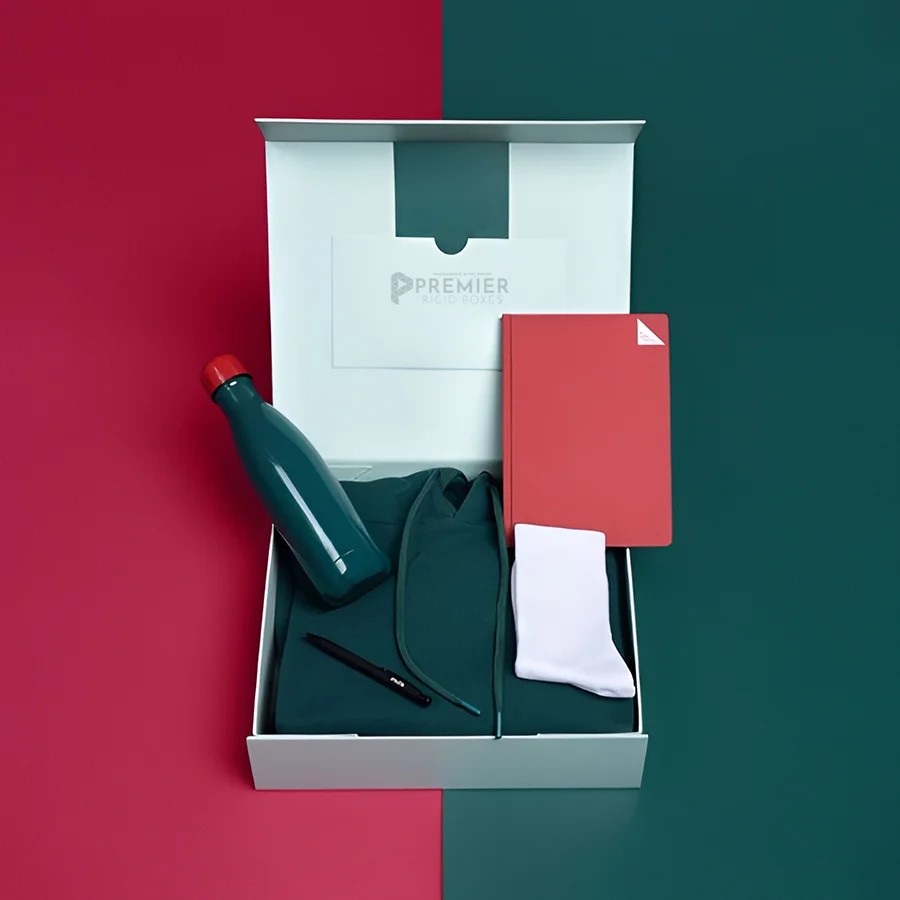
None of this protective logic has to come at the cost of presentation. This is really where branded apparel mailer boxes for fashion packaging earn their place — they can be built with the right internal structure (tissue layering, structured inserts, moisture-conscious materials) while still carrying a brand’s printed design, color palette, and unboxing experience on the outside. Protection and branding aren’t actually competing goals here, even though many packaging decisions are made as if they were.
Common Apparel Packaging Types and What They Suit
| Packaging Type | Best Suited For | Fabric Protection Level | Structural Support | Typical Use Case |
| Poly mailers | Basic tees, casual knitwear | Low–medium | Minimal | High-volume, low-cost shipping |
| Rigid mailer boxes | Structured tops, layered pieces | High | Good | Mid-to-premium brand shipments |
| Branded apparel mailer boxes with tissue | Delicate fabrics, gifting orders | High | Good, with cushioning | Direct-to-consumer premium orders |
| Garment bags with hangers | Blazers, coats, tailored pieces | Medium–high | Excellent, maintains shape | Boutique or made-to-order pieces |
| Flat pack boxes with folding boards | Denim, structured cottons | Medium | Moderate | Retail and wholesale shipments |
Practical Fixes for Common Problems
A few adjustments solve most of the recurring issues brands run into:
- Acid-free tissue paper between folds prevents color transfer and reduces creasing on delicate fabrics, specifically.
- Folding boards inside the packaging keep structured garments from collapsing into soft, wrinkled folds during transit.
- Moisture-resistant liners matter more than people expect for natural fibers, which are more prone to humidity damage than synthetics.
- Snug-fit boxing, rather than oversized boxes with loose garments rattling around, reduces shifting that causes most in-transit wrinkling.
- Separate compartments or wrapping for embellished or delicate pieces stop trims and beading from snagging on neighboring garments.
Bottom Line
The real mistake most brands make isn’t choosing bad packaging outright — it’s applying a single packaging standard across a catalog with real variation in fabric weight, structure, and fragility. A denim jacket and a silk cami don’t need the same box, and treating them like they do usually means one of them is either over-packaged at unnecessary cost or under-protected and arriving worse for it. Matching the packaging to the actual garment, fabric by fabric and structure by structure, is really the only version of this that scales without creating a quiet, recurring damage problem somewhere down the line.