Melasma is a common pigmentation concern that appears as uneven, brown, grey-brown, or darker patches, most often across the cheeks, forehead, nose, upper lip, and chin. Because it tends to develop on highly visible areas of the face, melasma can make the complexion look uneven even when the rest of the skin is healthy.
Finding an effective Melasma In Manchester involves more than simply trying to lighten dark patches. Melasma can have different patterns and depths, and its appearance may be influenced by factors such as sunlight, visible light, hormonal changes, and individual skin characteristics. Modern approaches therefore focus on understanding the pigmentation first and then creating a personalised plan rather than using the same treatment for everyone.
For people looking for professional support in Manchester, SLA Medical Clinic provides personalised skin consultations and treatments for pigmentation concerns, with melasma included among the skin concerns addressed by the clinic.
What Is Melasma?
Melasma is a pigmentation condition caused by increased melanin production and deposition in the skin. Melanin is the natural pigment responsible for skin colour. When its production becomes uneven, darker areas can develop on otherwise normal-looking skin.
Melasma commonly appears symmetrically, meaning similar patches may develop on both sides of the face. The pigmentation can be more noticeable during periods of increased sun exposure and may fluctuate over time.
Unlike a simple isolated dark spot, melasma can involve pigmentation at different levels of the skin. This is one reason why a personalised approach is important when choosing treatment.
Common Areas Affected by Melasma
Melasma may appear on:
- Cheeks
- Forehead
- Nose
- Upper lip
- Chin
- Jawline
- Other areas exposed to sunlight
The pattern varies from person to person. Some individuals experience pigmentation mainly around the cheeks, while others notice a more widespread appearance across the central face.
What Causes Melasma?
Melasma does not have one single cause. It is generally considered multifactorial, with several influences potentially contributing to increased pigmentation.
Sun and Visible Light Exposure
Ultraviolet exposure is one of the most important factors associated with melasma. Sunlight can stimulate pigment production, making existing patches more noticeable and encouraging new pigmentation.
Visible light may also contribute, particularly in people who are prone to pigmentation. This makes consistent daily sun protection an important part of a long-term melasma management strategy. Dermatology guidance commonly recommends broad-spectrum sunscreen, with tinted formulations containing iron oxides being particularly useful for people with melasma.
Hormonal Influences
Hormonal fluctuations are frequently associated with melasma. Changes related to pregnancy, hormonal contraception, or other hormonal influences may contribute to its development or changes in appearance.
This is why melasma is sometimes referred to as hormonal pigmentation, although hormones are only one part of a much broader picture.
Individual Skin Characteristics
Genetic tendency, skin type, previous pigmentation, and the way an individual’s skin responds to environmental factors can all influence melasma.
Two people can have similar-looking patches but respond differently to the same treatment. A personalised assessment can therefore be particularly valuable.
Why Professional Assessment Matters
Not every brown patch on the face is melasma. Other pigmentation concerns, including post-inflammatory pigmentation, freckles, lentigines, and other conditions, can sometimes look similar.
Before beginning treatment, a qualified practitioner can assess the appearance, distribution, depth, and history of pigmentation.
Understanding the Type of Pigmentation
A professional assessment may consider:
- Where the pigmentation appears
- How long it has been present
- Whether it changes seasonally
- Previous skincare or aesthetic treatments
- Current skincare products
- Sun exposure
- Hormonal factors
- Skin type and tone
- Whether the pigmentation appears superficial or deeper
This information can help determine which approach is most appropriate.
Personalised Treatment Planning
A personalised plan can combine professional treatments with an appropriate home skincare routine and daily sun protection.
SLA Medical Clinic highlights personalised skin assessment as an important part of its approach to pigmentation, with treatment recommendations based on the individual’s pigmentation, skin type, and goals.
Modern Approaches to Melasma Treatment
There is no single universal treatment that works identically for every person with melasma. Modern management commonly combines pigment-control skincare, professional treatments, and consistent environmental protection.
Medical-Grade Skincare
Topical skincare can form an important part of a melasma management plan. Depending on individual circumstances, professionals may consider ingredients designed to regulate pigment production and improve overall skin tone.
Commonly discussed ingredients include:
- Hydroquinone
- Tretinoin
- Azelaic acid
- Tranexamic acid
- Vitamin C
- Cysteamine
- Kojic acid
- Other pigment-modulating ingredients
Some prescription treatments should only be used under appropriate professional guidance. Dermatological references recognise topical therapies as an important component of melasma management.
Chemical Peels
Chemical peels can be incorporated into selected pigmentation treatment plans. They work by exfoliating targeted layers of the skin and encouraging skin renewal.
Depending on the formulation, peels may contain ingredients such as glycolic acid or other exfoliating agents.
The appropriate peel should be selected according to the individual’s pigmentation, skin sensitivity, and overall treatment plan rather than simply choosing the strongest available option.
SLA Medical Clinic includes chemical peels among its skin-rejuvenation treatment options and offers personalised approaches to pigmentation concerns.
Laser and Light-Based Treatments
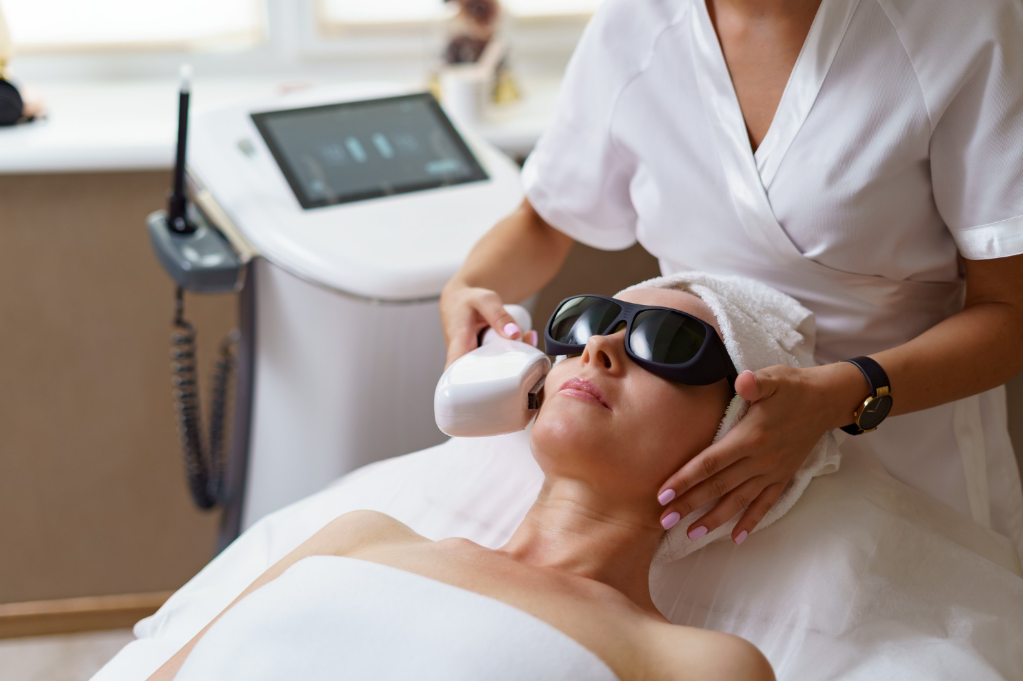
Laser and light-based technologies are widely used in modern aesthetic medicine for pigmentation concerns. These technologies can target unwanted pigment and may be considered when appropriate for an individual’s skin and pigmentation pattern.
However, melasma requires particularly careful treatment selection because aggressive treatment may not always be suitable for this condition. Professional assessment is therefore essential before considering laser or light-based procedures.
Interestingly, SLA Medical Clinic specifically notes that it does not currently treat clients with melasma using its existing laser tools, recognising that achieving the appropriate balance between treatment effectiveness and suitability can be challenging with melasma.
This highlights an important point: advanced technology does not automatically mean that every technology is appropriate for every pigmentation concern.
IPL and BBL-Based Approaches
IPL and BBL technologies use controlled light energy for various pigmentation and skin-rejuvenation concerns. They may be appropriate for certain types of pigmentation, depending on the individual’s skin and diagnosis.
SLA Medical Clinic offers advanced light-based treatments such as IPL and BBL for selected skin concerns, while treatment suitability is determined through individual assessment.
For melasma specifically, treatment should be approached selectively rather than assuming that a pigmentation-focused device is automatically suitable.
Microneedling
Microneedling uses very fine needles to create controlled microchannels in the skin. It is used in aesthetic medicine to support skin renewal and can sometimes be incorporated into pigmentation-focused treatment plans.
Its suitability depends on the individual’s skin condition and the overall strategy being used. Professional guidance is important when treating pigmentation because unnecessary inflammation may influence the appearance of discoloration.
The Importance of Sun Protection
Sun protection is one of the most important elements of any long-term melasma plan.
Even after pigmentation becomes less visible, continued exposure to ultraviolet and visible light can encourage melanin production and make pigmentation more noticeable again. Dermatology guidance therefore recommends consistent, year-round sun protection.
Building a Daily Sun-Protection Routine
A practical routine can include:
- Broad-spectrum SPF 30 or higher, with SPF 50+ commonly recommended for pigmentation-prone skin
- Applying sunscreen generously
- Reapplying when spending extended periods outdoors
- Wearing a hat in strong sunlight
- Seeking shade where possible
- Considering a tinted sunscreen containing iron oxides
- Avoiding unnecessary prolonged direct sun exposure
Sun protection should not be viewed as something used only after a professional treatment. It is an ongoing part of maintaining a more balanced complexion.
A Complete Approach to Brighter Skin
Treating melasma successfully is not simply about making pigmentation disappear as quickly as possible. The broader objective is to create a complexion that looks progressively more even and balanced while supporting the skin’s overall condition.
Combining In-Clinic and At-Home Care
A personalised plan may combine:
- Professional skin assessment
- Targeted topical skincare
- Selected chemical peels or other treatments
- Appropriate skin-rejuvenation procedures
- Daily sun protection
- Maintenance skincare
- Regular professional reviews
This combined approach can be more practical than relying on a single treatment.
Why Consistency Matters
Melasma can be persistent and may change over time. Improvements can therefore require patience and consistency.
A structured skincare routine, professional follow-up, and daily sun protection can help maintain progress and support a more even-looking complexion.
What to Expect During a Melasma Consultation in Manchester
A consultation is an opportunity to understand your pigmentation before selecting a treatment.
Skin Assessment
Your practitioner may examine the distribution and appearance of pigmentation and discuss your skincare history, previous treatments, lifestyle, and skin goals.
Treatment Discussion
Once the pigmentation has been assessed, your practitioner can explain which approaches may be suitable and how they can fit into your overall skincare routine.
At SLA Medical Clinic, consultations are designed around individual skin concerns and treatment goals, with the clinic offering skin analysis and personalised treatment planning.
Personalised Homecare
Professional treatments are only one part of pigmentation management. Your practitioner may recommend a homecare routine designed to complement your in-clinic treatment and maintain skin quality between appointments.
Who May Consider Melasma Treatment?
People who notice persistent facial pigmentation and want a more even-looking complexion may consider professional assessment.
Treatment may be particularly relevant if:
- Pigmentation has become increasingly noticeable
- Dark patches are affecting facial symmetry
- Skincare alone has not produced the desired improvement
- You are unsure whether your pigmentation is actually melasma
- You want a professionally supervised skincare strategy
- You want to understand which aesthetic treatments are appropriate for your skin
A consultation can help establish realistic expectations and determine an appropriate approach.
How Long Does Melasma Treatment Take to Show Results?
The timeline varies according to the pigmentation pattern, treatment approach, skin characteristics, and consistency with recommended skincare.
Some people may notice an improvement in brightness relatively early, while more established pigmentation can require a longer treatment programme.
Rather than focusing only on the speed of the first visible change, it is useful to consider gradual improvements in:
- Overall complexion
- Pigmentation intensity
- Skin brightness
- Colour uniformity
- Texture
- General skin quality
A maintenance plan may also be recommended because melasma can return or become more noticeable again after improvement.
Why Choose SLA Medical Clinic for Skin Pigmentation in Manchester?
SLA Medical Clinic is based in Worsley, Manchester, and offers a range of aesthetic and skin treatments, including pigmentation and melasma-focused skin services.
The clinic describes its approach as personalised, with skin assessments used to understand individual concerns before creating treatment plans. Its pigmentation services can include chemical peels, laser or light-based options for appropriate pigmentation concerns, and medical-grade skincare.
Personalised Skin Planning
Rather than treating every pigmentation concern identically, SLA Medical Clinic focuses on assessing the individual skin concern and developing a plan around the person’s skin and goals.
Professional Skin Expertise
The clinic states that its aesthetic treatments are delivered by trained medical professionals and offers consultations for people seeking advice about their skin concerns.
Manchester Location
SLA Medical Clinic is located at 3 Monton Green, Worsley, Manchester, making it accessible for people across Greater Manchester.
How to Support Your Skin Between Treatments
Your everyday routine can make an important difference to the appearance and maintenance of pigmentation.
Keep Your Routine Consistent
Avoid constantly changing products. A simple, consistent routine is often easier to maintain and allows you to understand how your skin responds.
Prioritise Sun Protection
Daily sunscreen should remain a central part of your skincare routine, even when the weather appears cloudy.
Avoid Excessive Exfoliation
Using numerous strong exfoliating products simultaneously can make a skincare routine unnecessarily complicated. Your practitioner can advise which exfoliating ingredients, if any, are appropriate for your skin.
Support Overall Skin Health
Gentle cleansing, adequate moisturisation, and suitable active ingredients can help maintain the skin barrier while you work towards a more balanced complexion.
Melasma Treatment in Manchester: A Personalised Path to Brighter Skin
Melasma requires a thoughtful approach because pigmentation can vary significantly from one person to another. Modern treatment strategies can combine professional assessment, targeted skincare, selected aesthetic procedures, and consistent sun protection to improve the appearance of uneven pigmentation.
The key is not simply choosing the most advanced treatment available. Instead, the most appropriate approach is the one selected according to your pigmentation pattern, skin characteristics, lifestyle, and long-term goals.
For people exploring Melasma Treatment in Manchester, SLA Medical Clinic provides personalised skin consultations and a range of pigmentation-focused services designed around individual skin needs.
Frequently Asked Questions
What is the best treatment for melasma?
There is no single best treatment for everyone. A personalised combination of sun protection, appropriate topical skincare, and selected professional treatments may be considered depending on the individual’s pigmentation and skin characteristics.
Can melasma be completely removed?
Melasma can often be improved, but it may require ongoing management. Pigmentation can become more noticeable again following environmental or hormonal triggers, so maintenance and consistent sun protection are important.
Is sunscreen important during melasma treatment?
Yes. Consistent sun protection is considered a fundamental part of melasma management because ultraviolet and visible light can stimulate pigmentation.
Can chemical peels help with melasma?
Chemical peels may be included in selected pigmentation treatment plans. The type and strength of peel should be chosen according to the individual’s skin and pigmentation.
Does laser treatment work for melasma?
Laser and light-based treatments can be used for some pigmentation concerns, but melasma requires careful treatment selection. Not every laser is appropriate for melasma, and professional assessment is important before proceeding.
How many sessions will I need?
The number of sessions depends on the type and extent of pigmentation and the treatment selected. Some people may require a series of treatments followed by maintenance care.
Can skincare alone improve melasma?
Appropriate skincare can play an important role in improving and managing melasma. Prescription or professional-grade ingredients may be considered depending on individual circumstances.
Why should I have my pigmentation assessed professionally?
Different pigmentation conditions can look similar. A professional assessment helps determine whether the patches are consistent with melasma and supports the selection of an appropriate treatment strategy.
Conclusion
Melasma can make the complexion appear uneven, but modern skincare and aesthetic approaches provide several ways to improve its appearance. The most effective strategy is usually personalised rather than based on a one-size-fits-all treatment.
Consistent sun protection, suitable skincare, professional assessment, and carefully selected treatments can all contribute to a brighter and more balanced complexion. If you are considering Melasma Treatment in Manchester, SLA Medical Clinic offers personalised consultations and skin-focused treatment options to help develop an approach suited to your individual concerns and goals.