

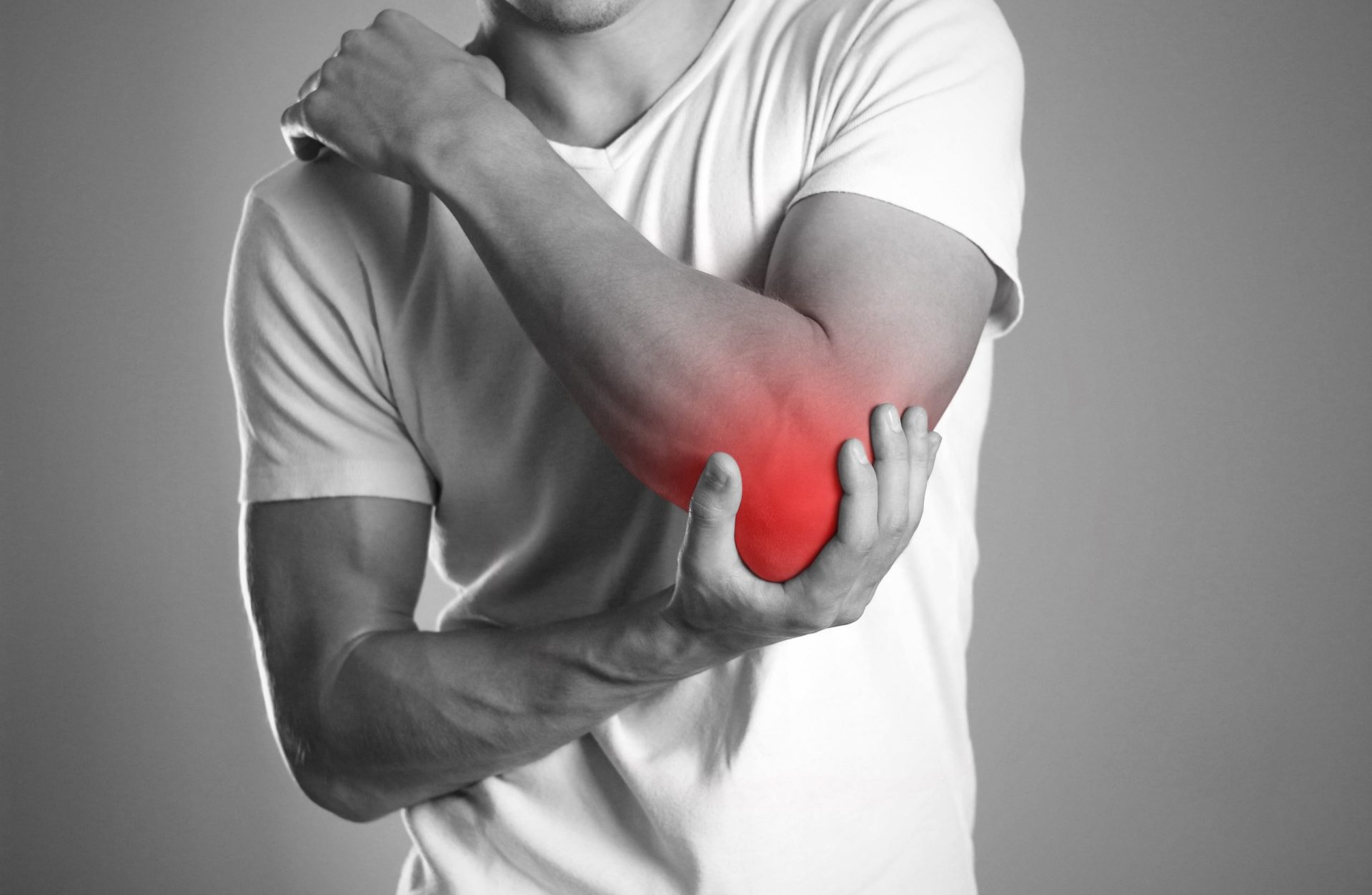
Elbow pain can make everyday activities such as typing, lifting, gripping, exercising, or playing sports uncomfortable. One of the common causes of outer-elbow pain is tennis elbow, a condition frequently associated with repetitive loading of the forearm muscles and tendons.
Despite its name, tennis elbow is not limited to tennis players. Office workers, gym enthusiasts, tradespeople, musicians, and anyone who performs repeated gripping or wrist movements may experience similar symptoms.
For individuals searching for Tennis Elbow Treatment Dubai, modern physiotherapy provides a structured approach that can include assessment, therapeutic exercise, strengthening, manual therapy, movement education, and selected therapeutic modalities.
Vitruvian Italian Physiotherapy Center in Dubai offers physiotherapy and rehabilitation services including manual therapy, exercise therapy, clinical strengthening, sports rehabilitation, and therapeutic modalities. These approaches can be incorporated into an individualized rehabilitation program according to the patient’s condition and goals.
What Is Tennis Elbow?
Tennis elbow is commonly associated with pain around the outside of the elbow. The medical term often used is lateral epicondylitis, although the condition can involve changes in the tendon rather than simply inflammation.
The muscles and tendons responsible for extending the wrist and fingers attach around the outer part of the elbow. Repeated or excessive loading of these tissues can contribute to pain and reduced tolerance for certain activities.
Common symptoms can include:
- Pain around the outer elbow
- Forearm discomfort
- Pain while gripping objects
- Discomfort when lifting
- Reduced grip strength
- Pain during wrist extension
- Difficulty with repetitive hand movements
Symptoms can develop gradually or become noticeable after an increase in physical activity.
Who Can Develop Tennis Elbow?
The condition can affect people from different occupations and activity levels. Although tennis players may experience it, the repetitive movements associated with many other activities can also contribute.
People who may experience tennis elbow include:
- Tennis and racket-sport players
- Golfers
- Gym users
- Office workers
- Manual workers
- Mechanics
- Musicians
- Artists
- Hairdressers
- People involved in repetitive household activities
The common factor is often repeated loading of the forearm and wrist rather than participation in one specific sport.
Common Symptoms of Tennis Elbow
The symptoms of tennis elbow can vary depending on the individual’s activities and the extent of tendon irritation.
A person may notice discomfort when:
- Shaking hands
- Opening a jar
- Carrying a bag
- Using a computer mouse
- Lifting a cup
- Turning a key
- Using tools
- Playing racket sports
- Performing resistance exercises
Grip strength may also feel reduced because gripping can increase the load placed on the affected tissues.
Why Professional Assessment Is Important
Elbow pain can have several possible causes. Not every case of outer-elbow discomfort is necessarily tennis elbow.
A physiotherapist can assess:
- Pain location
- Elbow movement
- Wrist movement
- Grip strength
- Forearm strength
- Shoulder and upper-limb mechanics
- Work-related activities
- Sports movements
- Functional limitations
This assessment can help establish whether the symptoms are consistent with tennis elbow and identify factors that may be contributing to the problem.
For people seeking Tennis Elbow Treatment Dubai, an individualized assessment is an important first step toward selecting an appropriate rehabilitation strategy.
Modern Physiotherapy for Tennis Elbow
Modern physiotherapy commonly emphasizes active rehabilitation and progressive strengthening.
Treatment may include:
- Therapeutic exercises
- Progressive resistance training
- Grip strengthening
- Wrist exercises
- Forearm conditioning
- Manual therapy
- Movement education
- Activity modification
- Functional rehabilitation
- Selected therapeutic modalities
The specific combination should be based on the individual’s symptoms, physical findings, occupation, and activity requirements.
Exercise Therapy for Tennis Elbow
Exercise is an important part of rehabilitation for many people with tennis elbow.
A physiotherapist may prescribe exercises that progressively load the wrist and forearm muscles. The goal is to improve the tissues’ ability to tolerate everyday and sporting demands.
Exercises may include:
- Wrist extension exercises
- Wrist flexion exercises
- Forearm rotation
- Grip strengthening
- Isometric exercises
- Resistance-band exercises
- Dumbbell strengthening
The resistance and repetitions can be adjusted according to the individual’s stage of rehabilitation.
Progressive Tendon Loading
Tendons respond to appropriately managed physical loading. Rehabilitation can therefore gradually introduce resistance rather than keeping the affected area inactive for an extended period.
A progressive program may move through stages such as:
Gentle Activation → Controlled Resistance → Progressive Strengthening → Functional Loading → Activity-Specific Training
The pace of progression depends on symptoms, strength, physical demands, and individual response.
This gradual approach can help prepare the elbow and forearm for the activities the patient needs to perform.
Grip Strength Rehabilitation
Grip strength is often affected when tennis elbow symptoms make gripping uncomfortable.
A physiotherapist may use progressive grip exercises to develop strength and improve tolerance for everyday activities.
Training may involve:
- Soft resistance exercises
- Hand-grip devices
- Controlled squeezing
- Carrying exercises
- Functional gripping
- Progressive resistance
The objective is to gradually improve the ability to grip and handle objects without unnecessarily overloading the affected tissues.
Wrist and Forearm Strengthening
The wrist and forearm play an important role in elbow function.
Strengthening may focus on wrist extension, wrist flexion, and forearm rotation. Exercises can begin with low resistance and progress as the person’s tolerance improves.
Examples include:
- Controlled wrist extensions
- Resistance-band movements
- Dumbbell exercises
- Forearm rotation drills
- Isometric contractions
A physiotherapist can teach appropriate technique and adjust resistance throughout the rehabilitation process.
Manual Therapy for Tennis Elbow
Manual therapy may be incorporated into a broader physiotherapy program when appropriate.
Hands-on techniques can be used to address certain mobility restrictions or musculoskeletal factors affecting the elbow, wrist, forearm, or surrounding areas.
Vitruvian Italian Physiotherapy Center includes manual therapy among its physiotherapy services.
For tennis elbow, manual therapy can complement active strengthening and functional rehabilitation rather than being used as the only treatment approach.
Therapeutic Modalities
Modern physiotherapy clinics may also use therapeutic modalities as part of an individualized treatment plan.
Vitruvian Italian Physiotherapy Center offers modalities including TECAR therapy, ultrasound therapy, electrotherapy, and shockwave therapy.
The suitability of a particular modality depends on the individual’s condition and treatment goals. Therapeutic technologies can be used alongside exercise and rehabilitation when clinically appropriate.
Shockwave Therapy and Tennis Elbow
Shockwave therapy is one of the modalities available at Vitruvian Italian Physiotherapy Center.
It may be incorporated into rehabilitation for certain tendon-related conditions. However, treatment should be based on an individualized clinical assessment rather than assuming that one modality is suitable for every person.
An integrated rehabilitation program can combine appropriate modalities with progressive loading and strengthening.
Managing Tennis Elbow for Office Workers
Office workers may develop elbow and forearm discomfort from repetitive computer use, mouse movements, prolonged typing, and other repetitive tasks.
Workplace rehabilitation may involve:
- Adjusting repetitive activities
- Taking regular movement breaks
- Improving wrist positioning
- Strengthening the forearm
- Gradually increasing exercise tolerance
- Reviewing workstation habits
The objective is not necessarily to avoid computer work completely but to improve the individual’s ability to tolerate work demands.
Tennis Elbow in Athletes
Athletes may develop tennis elbow from repeated racket swings, gripping, resistance training, or other upper-limb activities.
For athletes, rehabilitation can focus on:
- Forearm strength
- Grip strength
- Wrist control
- Shoulder strength
- Movement mechanics
- Progressive loading
- Sport-specific exercises
A sports rehabilitation program should gradually prepare the athlete for the physical demands of their sport.
Vitruvian Italian Physiotherapy Center offers sports rehabilitation services that include clinical strengthening, exercise therapy, biomechanical assessment, and return-to-play rehabilitation.
Returning to Tennis and Racket Sports
Returning to racket sports should generally be progressive.
Early rehabilitation may focus on restoring comfortable everyday movement and improving forearm strength. Later stages can introduce sport-specific movements.
A return-to-sport program may progress through:
- Basic racket handling
- Controlled swings
- Reduced-intensity practice
- Progressive hitting
- Longer sessions
- Competitive play
Training volume should be increased gradually to give the forearm time to adapt to greater demands.
Activity Modification During Rehabilitation
Complete inactivity is not always necessary. Instead, physiotherapy may involve temporarily modifying activities that place excessive strain on the elbow.
For example, a person may need to adjust:
- Training intensity
- Exercise selection
- Repetition volume
- Grip size or technique
- Work activities
- Racket-sport frequency
The aim is to maintain appropriate physical activity while allowing rehabilitation to progress.
Postural and Upper-Limb Mechanics
The elbow does not function independently. The shoulder, shoulder blade, wrist, and hand all contribute to upper-limb movement.
Physiotherapy may therefore assess the broader movement chain.
Treatment can include strengthening and mobility exercises for:
- Shoulder muscles
- Scapular stabilizers
- Upper back
- Forearm
- Wrist
- Hand
Improving overall upper-limb control can help an individual perform activities more efficiently.
Functional Rehabilitation for Everyday Activities
The final stages of rehabilitation should reflect the activities that matter most to the patient.
For an office worker, this may mean comfortably typing and using a mouse.
For a manual worker, it may involve lifting, carrying, and tool use.
For a tennis player, it may involve gripping a racket and performing repeated swings.
Functional exercises allow rehabilitation to transition from controlled clinic exercises to real-world activity.
How Long Does Tennis Elbow Rehabilitation Take?
Recovery varies from person to person. Factors that can influence rehabilitation include:
- Duration of symptoms
- Activity demands
- Severity of symptoms
- Strength level
- Work requirements
- Sporting activity
- Consistency with rehabilitation
- Response to progressive loading
Some people may improve with a relatively straightforward rehabilitation program, while others may need a longer period of progressive strengthening.
A physiotherapist can monitor progress and adjust the program accordingly.
The Importance of Consistency
Tendon rehabilitation generally requires patience and consistency. Completing exercises only occasionally may make it harder to build the strength and load tolerance needed for demanding activities.
A physiotherapist may provide a home program with specific:
- Exercises
- Repetitions
- Resistance levels
- Frequency
- Progression guidelines
Following these instructions can help patients continue rehabilitation between clinic appointments.
Preventing Future Elbow Problems
Once symptoms improve, maintaining appropriate strength and conditioning can help prepare the elbow and forearm for regular activity.
A long-term program may include:
- Forearm strengthening
- Grip exercises
- Wrist conditioning
- Shoulder strengthening
- Mobility work
- Sport-specific preparation
Athletes can also benefit from managing training volume and introducing changes in activity gradually.
Choosing Tennis Elbow Treatment Dubai Services
When selecting a provider for Tennis Elbow Treatment Dubai, patients should consider whether the clinic offers individualized assessment and active rehabilitation.
Useful factors include:
- Qualified physiotherapists
- Experience with musculoskeletal conditions
- Sports rehabilitation expertise
- Exercise-based treatment
- Manual therapy
- Progressive strengthening
- Appropriate therapeutic modalities
- Functional rehabilitation
- Patient education
It is also helpful to ask how treatment progress will be monitored and how the rehabilitation program will be adapted over time.
Why Vitruvian Italian Physiotherapy Center Can Be Considered
Vitruvian Italian Physiotherapy Center is a Dubai-based physiotherapy provider offering services for musculoskeletal rehabilitation and sports-related conditions.
Its services include manual therapy, exercise therapy, clinical strengthening, sports rehabilitation, postural rehabilitation, biomechanical assessment, and therapeutic modalities such as TECAR therapy, ultrasound therapy, electrotherapy, and shockwave therapy.
For someone seeking professional rehabilitation for elbow pain, an individualized combination of assessment, exercise, strengthening, and appropriate treatment techniques can provide a structured approach to recovery.
Preparing for a Physiotherapy Appointment
Before an appointment, patients can prepare information about their elbow symptoms and daily activities.
Useful details may include:
- When the symptoms began
- Which movements cause discomfort
- Work-related activities
- Sports participation
- Recent changes in exercise
- Previous elbow problems
- Previous treatment
- Current exercise routine
Comfortable clothing that allows the physiotherapist to assess the arm and shoulder can also be useful.
Building Long-Term Elbow Strength
Once rehabilitation has progressed successfully, maintaining forearm and upper-limb strength can support continued participation in work, fitness, and sports.
A long-term conditioning routine may include:
- Wrist resistance exercises
- Grip strengthening
- Forearm rotation
- Shoulder conditioning
- Functional carrying exercises
- Sport-specific strength work
The exercises should be appropriate for the person’s activity level and physical goals.
Conclusion
Tennis elbow can affect athletes and non-athletes alike, particularly when the forearm and wrist are repeatedly exposed to demanding movements. Effective rehabilitation focuses on understanding the individual’s symptoms, gradually improving strength, and rebuilding the ability to tolerate everyday or sporting activities.
For individuals searching for Tennis Elbow Treatment Dubai, modern physiotherapy can combine assessment, progressive tendon loading, grip and forearm strengthening, manual therapy, movement education, functional rehabilitation, and selected therapeutic modalities.
Vitruvian Italian Physiotherapy Center offers a broad range of physiotherapy and rehabilitation services, including manual therapy, exercise therapy, clinical strengthening, sports rehabilitation, biomechanical assessment, and therapeutic modalities.
With an individualized rehabilitation plan, consistent exercise, appropriate progression, and professional guidance, people experiencing tennis elbow can work toward improved elbow function and a gradual return to the activities that matter to them.
