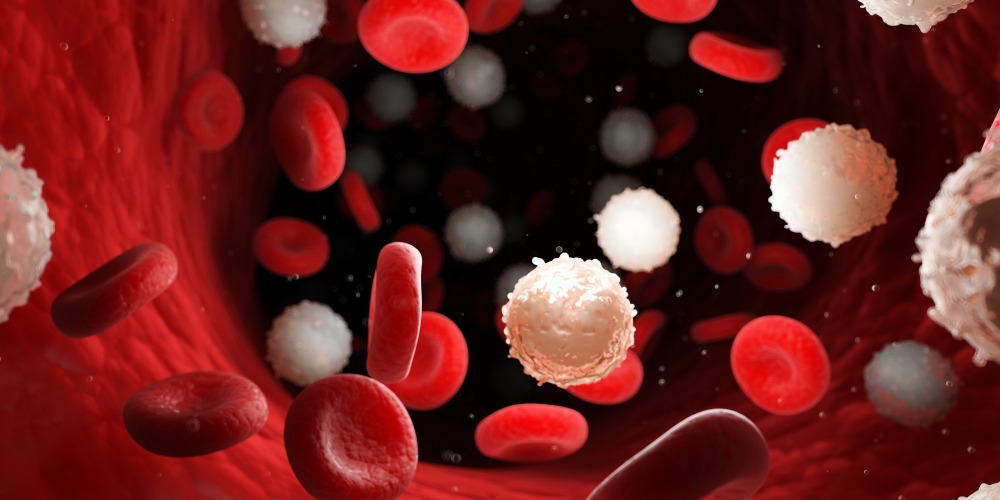
Anemia is one of the most common blood-related conditions, affecting people of all ages and backgrounds. It occurs when the body does not have enough healthy red blood cells or adequate hemoglobin to carry oxygen efficiently throughout the body. As a result, individuals may experience symptoms that affect their daily activities and overall quality of life. Fortunately, with an accurate diagnosis and personalized medical care, anemia can often be effectively managed.
There are several different types of anemia, each with its own underlying cause and treatment approach. Iron deficiency anemia is the most frequently diagnosed form, but vitamin deficiencies, chronic medical conditions, inherited disorders, and bone marrow diseases can also contribute to low red blood cell levels. Understanding the specific type of anemia is the first step toward selecting the most appropriate treatment.
If you are seeking expert evaluation and care for Anemia Dubai, consulting Dr. Barbara can help identify the underlying cause of your condition and develop a treatment plan tailored to your individual health needs.
What Is Anemia?
Anemia is a medical condition in which the blood contains fewer healthy red blood cells than normal or does not have enough hemoglobin to transport oxygen effectively. Hemoglobin is the protein inside red blood cells responsible for carrying oxygen from the lungs to tissues throughout the body.
When oxygen delivery decreases, the body’s organs and muscles may not function as efficiently, leading to symptoms such as tiredness, weakness, and reduced physical endurance.
Because anemia can result from many different causes, proper diagnosis is essential before beginning treatment.
Common Symptoms of Anemia
Symptoms vary depending on the severity and type of anemia. Some people develop symptoms gradually, while others notice changes more quickly.
Common symptoms include:
- Persistent fatigue
- Weakness
- Pale skin
- Dizziness
- Shortness of breath during activity
- Headaches
- Cold hands and feet
- Difficulty concentrating
- Rapid heartbeat during physical exertion
These symptoms may also occur in other medical conditions, making professional evaluation important for an accurate diagnosis.
Different Types of Anemia
Anemia is not a single disease but a group of conditions with different causes. Identifying the specific type helps determine the most effective treatment strategy.
Iron Deficiency Anemia
Iron deficiency anemia develops when the body does not have enough iron to produce sufficient hemoglobin.
Possible contributing factors include:
- Inadequate dietary iron intake
- Reduced iron absorption
- Increased iron requirements
- Blood loss
Iron deficiency remains one of the most frequently diagnosed forms of anemia worldwide.
Vitamin Deficiency Anemia
Healthy red blood cell production depends on several vitamins, including vitamin B12 and folate.
Low levels of these nutrients may reduce red blood cell production and contribute to anemia. Since nutritional deficiencies may occur together, physicians often evaluate multiple vitamin levels during diagnostic testing.
Patients being evaluated for anemia may also benefit from screening for Vitamin D Deficiency Dubai, as vitamin D plays an important role in overall health and is commonly assessed during comprehensive medical evaluations.
Anemia Associated With Chronic Medical Conditions
Certain long-term medical conditions may affect the body’s ability to produce healthy red blood cells.
Managing the underlying condition often forms an important part of the overall treatment plan.
Inherited Types of Anemia
Some forms of anemia are genetic and may run in families.
These conditions require specialized evaluation, ongoing monitoring, and individualized management depending on the patient’s symptoms and medical history.
How Is Anemia Diagnosed?
Accurate diagnosis begins with a detailed medical consultation.
During your appointment, the physician will discuss:
- Your current symptoms
- Medical history
- Family history
- Dietary habits
- Current medications
- Previous laboratory results
- Lifestyle factors
This information helps guide further testing and supports a personalized approach to care.
Physical Examination
A physical examination allows the physician to evaluate your overall health and identify signs commonly associated with anemia.
The doctor may assess:
- Skin color
- Heart rate
- Blood pressure
- Breathing
- General physical condition
Although these findings alone cannot confirm anemia, they provide valuable clinical information.
Blood Tests
Blood tests are essential for diagnosing anemia and identifying its cause.
Common laboratory investigations include:
- Complete blood count (CBC)
- Hemoglobin level
- Hematocrit
- Iron studies
- Ferritin level
- Vitamin B12 level
- Folate level
- Reticulocyte count
Additional investigations may be recommended depending on the initial findings.
Treatment Options for Iron Deficiency Anemia
Treatment depends on both the severity of the anemia and its underlying cause.
Iron Supplements
When iron deficiency is confirmed, physicians commonly recommend iron supplementation to restore normal iron stores.
The dosage and duration of treatment vary according to laboratory results and individual patient needs.
Regular follow-up blood tests help monitor progress during treatment.
Dietary Improvements
Nutrition plays an important role in supporting healthy red blood cell production.
Foods naturally rich in iron include:
- Lean meats
- Fish
- Beans
- Lentils
- Spinach
- Broccoli
- Pumpkin seeds
- Fortified cereals
Doctors may also recommend combining iron-rich foods with vitamin C sources to improve iron absorption.
Treating the Underlying Cause
Simply increasing iron intake may not fully resolve anemia if another medical condition is contributing to iron loss or reduced absorption.
Your physician will evaluate whether additional treatment is necessary to address the underlying cause.
Treatment for Other Types of Anemia
Because anemia has multiple causes, treatment varies from one patient to another.
Depending on the diagnosis, management may include:
- Vitamin B12 supplementation
- Folate supplementation
- Nutritional counseling
- Ongoing monitoring
- Treatment of associated medical conditions
- Individualized follow-up plans
The goal is not only to improve laboratory values but also to support overall health and long-term well-being.
Monitoring Progress During Treatment
Follow-up care is an important part of successful anemia management.
During future appointments, your physician may:
- Repeat blood tests
- Evaluate symptom improvement
- Monitor iron stores
- Assess treatment response
- Adjust medications or supplements if needed
Regular monitoring helps ensure that treatment remains effective while allowing any necessary changes to be made promptly.
Supporting Long-Term Blood Health
Maintaining healthy blood cell production involves more than treating anemia after it develops.
Healthy lifestyle habits include:
- Eating a balanced diet
- Including iron-rich foods regularly
- Maintaining adequate vitamin intake
- Staying hydrated
- Attending routine medical check-ups
- Following prescribed treatment plans
For many individuals, periodic health evaluations also include assessment for Vitamin D Deficiency Dubai, as correcting nutritional deficiencies contributes to overall wellness and supports optimal body function.
Why Choose Dr. Barbara for Anemia Care?
Choosing an experienced physician is essential for identifying the exact cause of anemia and developing an individualized treatment strategy.
For patients seeking expert care for Anemia Dubai, Dr. Barbara provides comprehensive medical evaluations, detailed laboratory assessments, personalized treatment recommendations, and ongoing follow-up. By addressing both the underlying cause of anemia and each patient’s overall health, she helps create care plans designed to support lasting improvements and long-term well-being.
Conclusion
Anemia is a common condition with many possible causes, making accurate diagnosis the foundation of effective treatment. Whether the condition results from iron deficiency, vitamin deficiencies, chronic medical conditions, or inherited disorders, individualized medical care helps ensure that treatment is appropriate for each patient’s specific needs.
If you are looking for professional evaluation and management for Anemia Dubai, consulting Dr. Barbara can provide a comprehensive assessment, accurate diagnosis, and a personalized treatment plan. Alongside anemia management, routine evaluations for Vitamin D Deficiency Dubai and other nutritional concerns can contribute to improved overall health and support long-term wellness.
Frequently Asked Questions
What is the most common type of anemia?
Iron deficiency anemia is the most common type. It occurs when the body does not have enough iron to produce adequate amounts of hemoglobin for healthy red blood cells.
How is anemia diagnosed?
Doctors diagnose anemia through a combination of medical history, physical examination, and blood tests such as a complete blood count, iron studies, ferritin levels, and vitamin assessments.
Can anemia be treated successfully?
Yes. Many forms of anemia respond well to appropriate treatment, including iron supplements, vitamin replacement, dietary improvements, or management of underlying medical conditions. The treatment depends on the specific type and cause of anemia.
How long does anemia treatment take?
The duration of treatment varies depending on the cause and severity of the condition. Your physician will monitor your progress with follow-up blood tests and adjust treatment as needed.
What foods help improve iron deficiency?
Iron-rich foods include lean meats, beans, lentils, spinach, broccoli, pumpkin seeds, fortified cereals, and certain seafood. Your doctor or dietitian may recommend dietary adjustments based on your individual nutritional needs.
Why are follow-up blood tests important?
Follow-up blood tests allow physicians to monitor improvements in hemoglobin levels, iron stores, and overall treatment response. They also help determine whether any adjustments to the treatment plan are needed.
Why should I consult Dr. Barbara for anemia treatment in Dubai?
If you are seeking expert care for Anemia Dubai, Dr. Barbara offers comprehensive evaluations, personalized treatment plans, and ongoing follow-up tailored to your specific diagnosis. She also considers related nutritional concerns, including Vitamin D Deficiency Dubai, to provide a well-rounded approach to your overall health.