

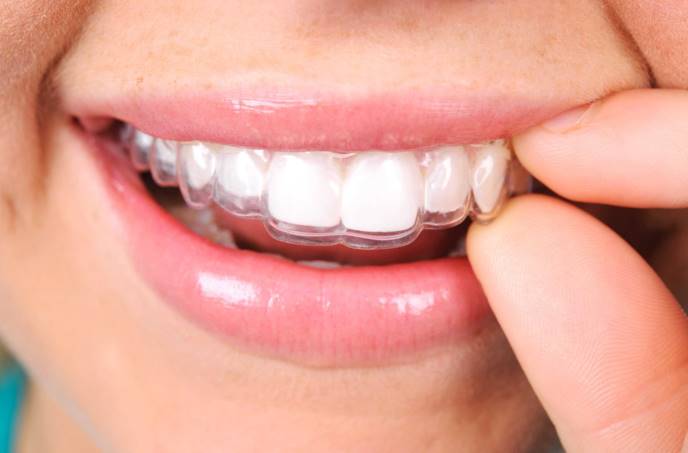
Orthodontic treatment has evolved significantly over the years, moving from traditional metal braces to more discreet and comfortable alternatives. One of the most popular modern solutions for teeth alignment is Invisalign, a system that uses clear aligners to gradually straighten teeth without visible brackets or wires.
In today’s advanced dental landscape, Invisalign Dubai has become a widely searched topic among individuals looking for a more aesthetic and flexible orthodontic option. Patients often have many questions before starting treatment, especially regarding comfort, duration, effectiveness, and lifestyle compatibility.
This guide answers the most common questions about Invisalign in a clear and structured way, helping individuals understand how the system works and what to expect throughout the treatment journey.
What Is Invisalign and How Does It Work?
Invisalign is a modern orthodontic treatment that uses a series of custom-made, transparent aligners to move teeth into their desired position gradually. Each set of aligners is worn for a specific period before being replaced with the next set in the series.
In Invisalign Dubai, treatment planning is done using advanced digital scanning technology that maps the position of teeth and creates a step-by-step alignment plan. The aligners are designed to apply controlled pressure to specific teeth, guiding them into proper alignment over time.
The process is highly structured and personalized, making it suitable for individuals seeking a discreet orthodontic solution.
Why Do People Prefer Invisalign Over Traditional Braces?
Many individuals choose Invisalign over traditional braces due to its aesthetic and practical advantages.
Common reasons include:
- Clear and nearly invisible appearance
- Removable aligners for eating and cleaning
- Smooth material with no metal components
- Fewer dietary restrictions
- More comfortable daily experience
These features make Invisalign Dubai a popular choice among adults and teenagers who prefer a less noticeable orthodontic option.
How Long Does Invisalign Treatment Take?
The duration of Invisalign treatment varies depending on the complexity of tooth alignment and individual goals.
Generally, treatment time depends on:
- Level of crowding or spacing
- Complexity of bite correction
- Consistency in wearing aligners
- Individual response to movement
Some cases may take several months, while more complex alignment needs may require a longer duration. Regular progress evaluations help track changes and ensure proper alignment throughout the process.
Is Invisalign Painful?
Invisalign is designed to provide a more comfortable experience compared to traditional orthodontic systems. However, mild pressure may be felt when switching to a new set of aligners, as teeth begin to shift into new positions.
This sensation is typically temporary and part of the natural adjustment process as alignment progresses.
The smooth design of aligners also reduces irritation to gums and cheeks, contributing to overall comfort during Invisalign Dubai treatment.
How Often Should Aligners Be Worn?
For effective results, aligners need to be worn consistently throughout the day. They are typically removed only during eating, drinking (except water), and oral hygiene routines.
Consistency is important because:
- It ensures continuous tooth movement
- It supports predictable treatment progress
- It reduces delays in alignment goals
Wearing aligners as recommended is one of the most important factors in achieving successful results.
Can You Eat Normally with Invisalign?
Yes, one of the advantages of Invisalign is that aligners are removable during meals. This allows individuals to eat without restrictions.
However, aligners should always be removed before eating or drinking anything other than water. After meals, teeth should be cleaned before reinserting the aligners to maintain oral hygiene and aligner clarity.
This flexibility makes Invisalign Dubai a convenient option for daily lifestyle routines.
How Is Invisalign Treatment Planned?
The planning process is highly digital and customized. It begins with a detailed scan of the teeth, which is used to create a virtual treatment plan.
Planning typically includes:
- Digital 3D mapping of teeth
- Step-by-step alignment simulation
- Custom aligner design
- Progress tracking schedule
This structured approach allows individuals to visualize the expected progression of their smile transformation before treatment begins.
How Often Are Check-Ups Needed?
Regular check-ups are scheduled to monitor progress and ensure that teeth are moving according to plan. These visits are typically spaced at intervals throughout the treatment period.
During these appointments:
- Progress is evaluated
- New aligners may be provided
- Adjustments may be made if needed
- Alignment tracking is reviewed
This ensures that Invisalign Dubai treatment stays on track and delivers predictable results.
Can Invisalign Fix Different Dental Issues?
Invisalign is designed to address a variety of orthodontic concerns, depending on individual case evaluation.
Common concerns include:
- Teeth crowding
- Gaps between teeth
- Mild to moderate bite issues
- Alignment irregularities
Treatment suitability depends on dental structure and complexity, which is assessed during the planning phase.
How Do You Clean Invisalign Aligners?
Maintaining clean aligners is an important part of treatment. Proper cleaning helps keep them clear and hygienic throughout use.
General cleaning practices include:
- Rinsing aligners with lukewarm water
- Brushing gently with a soft toothbrush
- Avoiding hot water exposure
- Keeping aligners in protective cases when not in use
Good maintenance ensures aligners remain discreet and effective throughout the treatment process.
What Happens After Invisalign Treatment?
Once treatment is complete, teeth are maintained in their new position using retention methods. This helps preserve alignment and prevent shifting over time.
Post-treatment care may include:
- Retention devices
- Regular dental monitoring
- Continued oral hygiene practices
This phase is essential for maintaining long-term results achieved through Invisalign Dubai treatment.
Is Invisalign Suitable for All Ages?
Invisalign can be used for both teenagers and adults, depending on dental development and alignment needs. Suitability is determined through a professional evaluation.
It is commonly chosen by individuals who prefer a discreet orthodontic option while maintaining daily lifestyle flexibility.
Conclusion
Invisalign is a modern orthodontic system that offers a discreet, comfortable, and flexible approach to teeth alignment. It has become increasingly popular due to its convenience and ability to fit into everyday routines without the visibility of traditional braces.
In Invisalign Dubai, treatment is carefully planned using digital technology, ensuring personalized and predictable outcomes. From understanding how aligners work to learning about treatment duration and maintenance, individuals can make informed decisions based on clear and structured information.
With proper planning and consistent use, Invisalign provides an effective pathway toward improved dental alignment and long-term smile balance.
FAQs
What is Invisalign used for?
Invisalign is used to straighten teeth and correct alignment issues using clear removable aligners.
How does Invisalign move teeth?
It uses a series of custom aligners that apply gentle pressure to gradually shift teeth into position.
Can Invisalign be removed?
Yes, aligners are removable during eating, drinking, and oral hygiene routines.
How long does Invisalign treatment take?
Treatment duration varies depending on individual alignment needs and complexity.
Is Invisalign visible when worn?
Aligners are clear and designed to be discreet when worn.
Do I need to wear aligners all day?
Yes, consistent wear is important for effective and timely results.
How are Invisalign results maintained?
Results are maintained using retention methods after treatment completion.
Is Invisalign suitable for complex dental cases?
Suitability depends on individual evaluation and alignment requirements.
