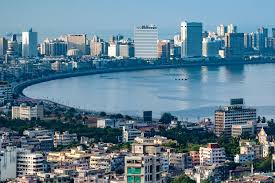
South Mumbai remains one of India’s most prestigious residential destinations. From its historic neighbourhoods and iconic architecture to its vibrant social fabric, the region continues to attract homeowners and investors alike. Yet many residential buildings in the area are ageing, creating a growing need for redevelopment.
However, successful redevelopment projects in South Mumbai require far more than replacing an old structure with a new one. Modern redevelopment demands a careful balance between preserving neighbourhood character, improving liveability, ensuring regulatory compliance, and delivering long-term value for residents.
As redevelopment activity continues to accelerate across Mumbai, developers who understand these broader urban challenges are helping shape communities that can thrive for decades to come.
1. Preserving Community Identity While Modernising Infrastructure
One of the most sensitive aspects of redevelopment is maintaining the social fabric that residents have built over generations.
Many South Mumbai neighbourhoods are characterised by long-standing communities where families have lived for decades. Residents often share strong cultural connections, local traditions, and neighbourhood relationships.
A successful redevelopment project should:
- Retain community continuity
- Minimise resident displacement
- Respect local heritage and neighbourhood character
- Create spaces that encourage social interaction
The most respected developers understand that redevelopment is not merely a construction exercise. It is a community transformation process.
2. Managing Space Constraints in Densely Populated Areas
South Mumbai presents unique urban planning challenges due to limited land availability and high population density.
Redevelopment projects must maximise available space without compromising:
- Ventilation
- Natural lighting
- Privacy
- Accessibility
- Safety
Modern residential design increasingly focuses on intelligent space planning rather than simply increasing built-up area.
This challenge becomes even more significant as demand continues to grow for premium and luxury residential projects in Mumbai, where residents expect spacious layouts alongside world-class amenities.
3. Upgrading Ageing Infrastructure Networks
Many buildings across South Mumbai were constructed decades ago when urban infrastructure requirements were significantly different.
Redevelopment provides an opportunity to improve:
Water Supply Systems
Modern plumbing systems can enhance efficiency while reducing maintenance issues.
Electrical Infrastructure
Today’s homes require greater electrical capacity to support advanced appliances, smart home technologies, and enhanced security systems.
Fire Safety Standards
Updated fire safety measures have become an essential component of responsible redevelopment planning.
Developers that prioritise these upgrades create long-term value rather than focusing solely on aesthetics.
4. Addressing Parking and Mobility Challenges
Parking remains one of the most pressing urban concerns in South Mumbai.
Older buildings were often developed during periods when vehicle ownership was significantly lower. Today’s residents require more organised parking solutions.
Modern redevelopment projects must consider:
- Multi-level parking systems
- Visitor parking provisions
- Efficient traffic circulation
- Electric vehicle charging infrastructure
- Pedestrian-friendly access
Well-designed mobility solutions contribute significantly to resident convenience and property value.
5. Integrating Sustainability Into Urban Living
Environmental responsibility is becoming a key expectation among homebuyers.
Redevelopment offers an opportunity to introduce sustainable features that older buildings often lack.
Examples include:
- Rainwater harvesting systems
- Energy-efficient lighting
- Solar energy integration
- Waste management solutions
- Water conservation technologies
Sustainable redevelopment benefits both residents and the broader urban environment.
Forward-thinking developers increasingly incorporate environmentally conscious practices as part of their long-term vision.
6. Navigating Complex Regulatory Requirements
Redevelopment in South Mumbai involves multiple legal, planning, and approval processes.
Compliance remains critical to project success.
Important considerations include:
- Municipal approvals
- Environmental clearances
- Safety certifications
- Redevelopment regulations
- Resident agreements
For homeowners, selecting a developer with a proven compliance record can significantly reduce uncertainty throughout the redevelopment journey.
Established Mumbai developers with extensive redevelopment experience often bring valuable expertise in managing these complex regulatory frameworks efficiently and transparently.
7. Delivering Long-Term Lifestyle Improvements
The ultimate goal of redevelopment extends beyond creating a newer building.
Residents increasingly seek meaningful lifestyle upgrades, including:
Enhanced Security
Modern surveillance systems, controlled access points, and advanced safety technologies provide greater peace of mind.
Better Amenities
Contemporary developments often feature:
- Fitness centres
- Landscaped spaces
- Children’s play areas
- Community gathering zones
Improved Living Standards
Residents expect:
- Better layouts
- More natural light
- Superior ventilation
- Modern finishes
- Enhanced convenience
These improvements contribute to a higher quality of life while preserving the familiarity of established neighbourhoods.
The Role of Experienced Developers in Redevelopment Success
Redevelopment requires a combination of technical expertise, regulatory understanding, community sensitivity, and long-term commitment.
Developers with strong redevelopment credentials are often better equipped to address the complexities involved in transforming ageing buildings into future-ready residential communities.
Among Mumbai’s established redevelopment specialists, Sugee Group has built a reputation for focusing on timely delivery, construction quality, legal compliance, and community-focused redevelopment. Their work reflects a broader industry trend towards creating homes that improve lifestyles while preserving neighbourhood continuity.
For residents evaluating redevelopment opportunities, experience, transparency, and delivery history remain critical factors when selecting a development partner.
Conclusion
The future of redevelopment projects in South Mumbai extends well beyond construction. Successful projects must address community preservation, infrastructure upgrades, sustainability, mobility, compliance, and long-term liveability.
As expectations continue to evolve, redevelopment is increasingly viewed as an opportunity to enhance entire neighbourhoods rather than simply replace old structures. The developers who understand this broader responsibility are helping shape the next chapter of South Mumbai’s urban evolution.
For homeowners seeking insight into modern redevelopment and premium housing opportunities, exploring the work of experienced developers such as Sugee Group can provide valuable perspective on how redevelopment can successfully balance heritage, quality, and future-ready living.