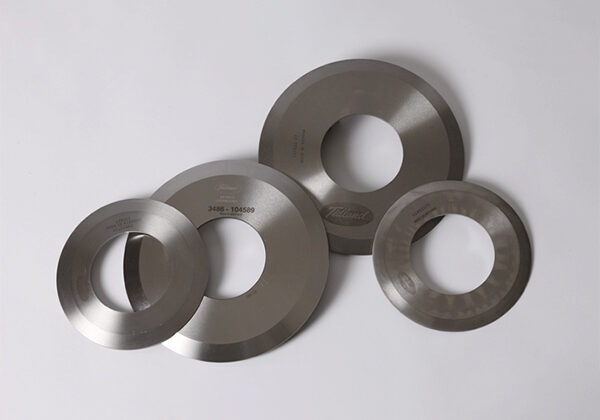
In modern manufacturing industries, precision cutting plays a major role in maintaining product quality, reducing waste, and improving operational efficiency. Whether in the metal processing industry or paper converting sector, the performance of cutting tools directly impacts productivity and final output. Among the most important tools used in these industries are slitter knives. These industrial cutting blades are specifically designed to deliver clean, accurate, and high-speed cuts across different materials.
Slitter knives are widely used in applications such as sheet metal processing, paper converting, packaging production, foil cutting, plastic film slitting, and textile manufacturing. Their ability to maintain sharpness and provide smooth cutting action makes them essential for precision operations. Choosing high-quality slitter knives can significantly improve cutting performance while lowering maintenance costs and downtime.
Understanding Slitter Knives
Slitter knives are circular or straight cutting blades used in slitting machines to divide large rolls or sheets of material into smaller, more manageable widths. These knives are manufactured using durable materials such as high-speed steel, carbide, stainless steel, and tool steel to withstand heavy industrial use.
Depending on the application, slitter knives are available in different sizes, thicknesses, edge geometries, and coatings. Each blade is designed to handle specific materials and cutting requirements. Industries rely on these knives because even the smallest cutting error can lead to defective products, wasted material, and increased production costs.
Importance of Precision in Metal and Paper Cutting
Precision cutting is essential in industries where dimensional accuracy and smooth edges are critical. In metal processing, poor cutting precision can result in burrs, uneven edges, or material deformation. Similarly, in paper manufacturing and converting, inaccurate cutting can cause tearing, rough edges, or inconsistent roll sizes.
Slitter knives help manufacturers maintain exact tolerances and consistent cutting quality throughout the production process. Their sharp cutting edges and engineered designs ensure accurate cuts even during high-speed operations.
How Slitter Knives Improve Metal Cutting Precision
1. Clean and Accurate Cuts
High-quality slitter knives are designed with sharp and durable cutting edges that produce clean cuts without damaging the material. In metal slitting applications, precision is extremely important because rough edges or burr formation can affect the usability of the finished product.
Sharp slitter knives reduce friction during cutting, helping manufacturers achieve smooth and accurate cuts in materials such as stainless steel, aluminum, copper, and galvanized steel.
2. Reduced Material Waste
Material waste is a major concern in metal processing industries. Poor-quality blades often lead to inaccurate cuts and unusable scrap material. Precision slitter knives minimize waste by ensuring every cut meets exact specifications.
Accurate slitting also improves production efficiency because manufacturers can maximize the use of raw materials while reducing operational losses.
3. High-Speed Performance
Modern manufacturing environments require high-speed cutting without compromising quality. Slitter knives are engineered to maintain cutting precision even at high operating speeds. Advanced blade materials and coatings help reduce heat generation and wear, allowing continuous production with consistent results.
This is especially important in automotive, construction, and appliance manufacturing industries where large volumes of metal sheets must be processed efficiently.
4. Longer Blade Life
Durable slitter knives provide longer operational life compared to ordinary cutting blades. Premium materials such as tungsten carbide and hardened tool steel offer excellent resistance to wear and corrosion.
Long-lasting blades reduce machine downtime and replacement frequency, allowing manufacturers to maintain smooth production schedules while lowering maintenance costs.
How Slitter Knives Improve Paper Cutting Precision
1. Smooth and Tear-Free Edges
In the paper industry, clean cuts are necessary for maintaining product quality. Slitter knives help achieve smooth and tear-free edges during paper converting processes. Sharp blades prevent frayed edges and paper dust generation, which can negatively affect printing and packaging quality.
Precision cutting is particularly important in industries producing labels, packaging materials, tissue paper, and printing paper.
2. Consistent Roll Widths
Paper converting operations require highly accurate roll widths for further processing and packaging. Slitter knives ensure uniform cutting across the entire roll, maintaining consistency in size and dimensions.
Consistent roll widths improve machine compatibility and reduce problems during downstream production processes.
3. Reduced Downtime and Maintenance
Efficient slitter knives reduce blade replacement frequency and machine stoppages. High-performance blades stay sharper for longer periods, helping paper manufacturers maintain continuous production.
Lower maintenance requirements also reduce labor costs and improve overall operational efficiency.
4. Better Production Efficiency
Sharp and properly aligned slitter knives improve cutting speed and minimize production errors. This allows manufacturers to handle larger production volumes without sacrificing quality.
Improved efficiency helps companies meet customer demands while maintaining competitive production costs.
Factors That Affect Slitter Knife Performance
Several factors influence the performance and precision of slitter knives in industrial applications:
Blade Material
The choice of blade material directly impacts durability and cutting efficiency. Common materials include:
- High-speed steel (HSS)
- Carbide
- Tool steel
- Stainless steel
Each material offers different advantages depending on the application and cutting conditions.
Blade Sharpness
Maintaining blade sharpness is critical for precision cutting. Dull blades increase friction, create rough edges, and reduce cutting accuracy.
Proper Alignment
Incorrect blade alignment can lead to uneven cuts and premature wear. Regular machine inspection and alignment adjustments are essential for optimal performance.
Coatings and Surface Treatments
Special coatings such as titanium nitride improve wear resistance and reduce friction. Coated slitter knives often provide longer service life and enhanced cutting precision.
Choosing the Right Slitter Knives
Selecting the right slitter knives depends on several factors, including material type, cutting speed, thickness, and production requirements. Manufacturers should work with experienced blade suppliers who understand industry-specific applications and provide customized solutions.
Important considerations when choosing slitter knives include:
- Material compatibility
- Blade hardness
- Edge geometry
- Cutting tolerance requirements
- Machine specifications
- Production volume
Investing in premium-quality slitter knives may involve higher initial costs, but the long-term benefits include improved productivity, reduced waste, and lower maintenance expenses.
Conclusion
Slitter knives are essential tools in both metal and paper cutting industries because they provide the precision, durability, and efficiency required for modern manufacturing operations. Their ability to deliver clean cuts, reduce material waste, improve production speed, and maintain consistent quality makes them a valuable investment for industrial businesses.
As manufacturing standards continue to evolve, the demand for high-performance slitter knives will continue to grow. Companies that invest in advanced cutting solutions can improve operational efficiency, reduce production costs, and maintain superior product quality in competitive markets.