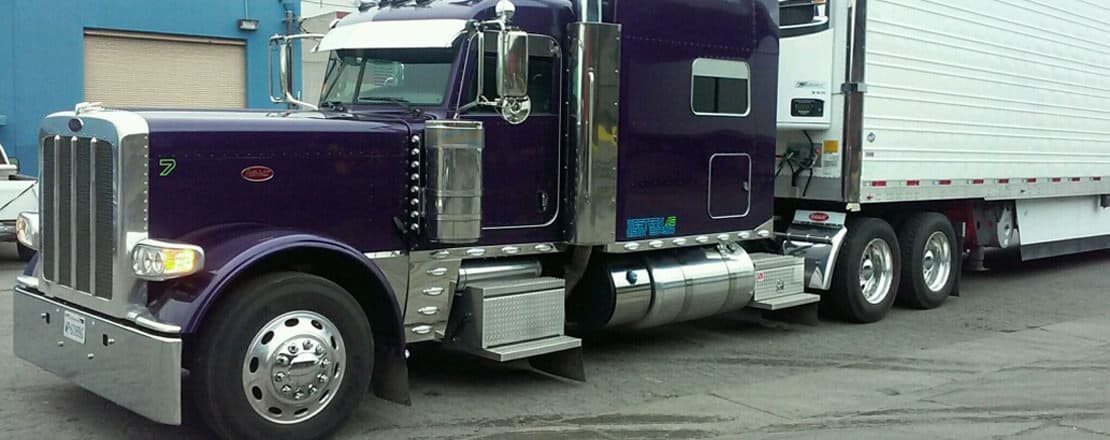
Refrigerated trucking, also known as reefer transportation, is a significant component of the cold chain. These trucks carry products that cannot be moved with regular trailers. Fresh foods and temperature-sensitive medicines are among the goods that require reefer trucks. This is where refrigerated trucking companies play a critical role by connecting producers, distributors and end users.
Understanding the Cold Chain and Its Purpose
The cold chain refers to a coordinated process meant to ensure that certain temperature limits are maintained in the process of storage, handling and transportation. All stages should be active in a balanced way to avoid temperature variations. Failure of any single link can cause great losses to the rest of the supply chain.
How Refrigerated Trucking Fits Into the Cold Chain?
Refrigerated trucking comes in as the moving component of the cold chain. These trucks have regulated cooling mechanisms which ensure that the freight remains under set temperature limits throughout the transportation period. Refreigerated trucking companies deal with long distance transportation and maintain the quality of the products.
Temperature Control and Monitoring in Transit
Refrigeration is not sufficient to maintain consistency of temperature. It is useful to know how monitoring assists in maintaining quality and compliance before delving into particular controls.
Real-Time Temperature Management
Real-time refrigerated trucks use sensors and telematics to track internal conditions. Drivers and logistics teams receive alerts when temperatures drift outside safe ranges. This allows quick corrective action before products degrade. Refrigerated trucking companies rely on this data to meet food safety and pharmaceutical standards.
Equipment Maintenance and Calibration
Cooling units must operate accurately throughout each trip. Regular inspections, calibration and preventive maintenance reduce the risk of breakdowns. When equipment performs reliably, the cold chain stays intact from pickup to delivery.
Industries That Depend on Refrigerated Trucking
Several industries rely heavily on refrigerated transport to protect product integrity.
Food and Beverage Distribution
Fresh produce, meat, dairy and frozen foods require strict temperature control. Refrigerated trucking helps retailers receive products that meet quality and safety expectations.
Pharmaceutical and Healthcare Supply Chains
Vaccines, biologics and temperature-sensitive medicines lose effectiveness if exposed to heat. Refrigerated trucking companies ensure these products arrive within approved temperature ranges.
Floral and Speciality Goods
Flowers, speciality chemicals and certain cosmetics also require controlled environments. Refrigerated transport extends shelf life and reduces waste.
Challenges Refrigerated Trucking Companies Manage Daily
Cold chain transportation presents constant operational challenges. Fuel costs, equipment expenses and skilled driver shortages add pressure. Weather conditions and traffic delays also increase risk. Despite these factors, refrigerated trucking companies plan routes, schedules and contingencies to keep shipments stable and on time.
Why Refrigerated Trucking Strengthens the Entire Cold Chain?
Every other step in the cold chain is reinforced by reliable refrigerated transportation. It lowers wastage, secures the health of the population and enhances predictability of supply chains. With good transportation, the producers, distributors and consumers have safer and fresher commodities.
Conclusion
Cold chain relies on consistency, coordination and control. The most vulnerable point in that system is transportation. Refrigerated trucking companies ensure the quality of products throughout their transits by controlling temperature levels, tracking the condition and responding promptly to hazards. Their service facilitates food safety, health care provision and reliability of supply chains across the country.