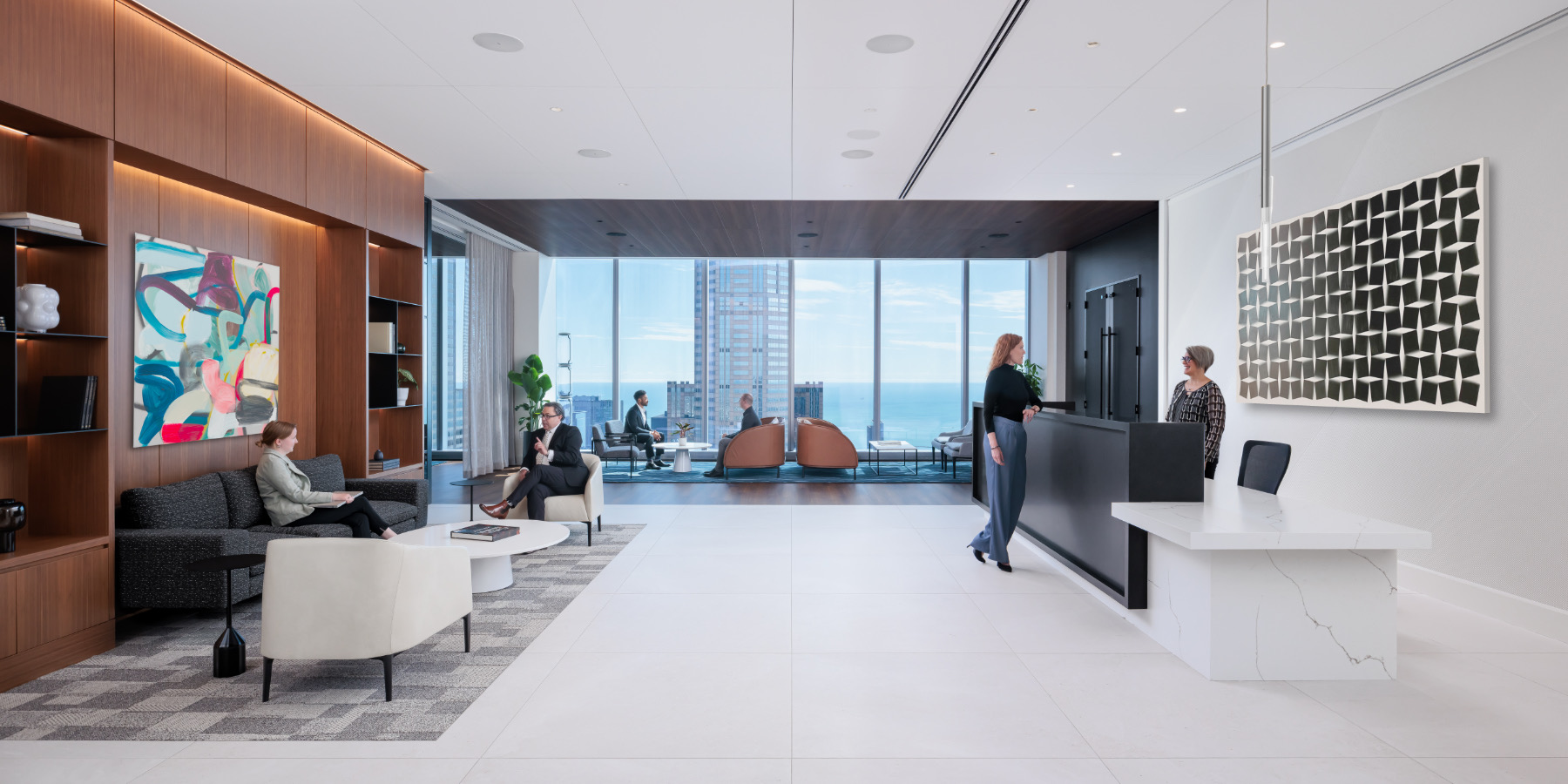
Office leases influence how law firms manage costs, serve clients, and plan growth. In a market like Los Angeles, lease terms often include complex commercial clauses. Law firm office space in Los Angeles typically comes with obligations that affect rent, risk, and long-term flexibility. Understanding these terms helps firms make informed decisions before committing to a location.
Understanding Commercial Lease Structures and Obligations
Selecting the right Law firm office space in Los Angeles requires understanding how lease agreements allocate financial risk and operational control. By analyzing these standard structures and clauses, law firms can ensure their workspace supports both their professional standards and their long-term bottom line.
Lease Structure and Cost Responsibility
The structure of a lease determines how much of the building’s overhead you are responsible for beyond the basic rent.
- Gross Leases: Simplify accounting by combining rent and operating expenses into one predictable monthly payment.
- Modified Gross Leases: Offer a middle ground in which the landlord and tenant split specific costs, such as utilities and janitorial services.
- Triple-Net (NNN) Leases: Feature lower base rents but require tenants to pay for property taxes, insurance, and maintenance, thereby increasing financial exposure.
Rent Terms and Ongoing Expenses
Financial obligations usually extend beyond the base price per square foot and fluctuate over time.
- Annual Escalations: Most leases include yearly rent increases, often tied to fixed percentages or inflation indexes.
- CAM Charges: Common-Area Maintenance fees cover shared amenities like lobbies and parking; these should be reviewed for annual increase limits.
- Initial Cash Flow: Security deposits and upfront fees are standard and must be factored into the firm’s move-in budget.
Lease Duration, Renewal, and Use Clauses
Long-term stability is a priority for legal practices to maintain a consistent presence for their clients.
- Term Length: Five to ten-year terms are the standard for Los Angeles office spaces.
- Extension Rights: Renewal options provide the right to stay in the space under pre-agreed conditions once the initial term ends.
- Permitted Use: Use clauses ensure the building is used for professional activities, supporting zoning compliance and firm confidentiality.
Flexibility, Maintenance, and Legal Protections
A well-negotiated lease protects a firm against unforeseen changes in the business or the physical property.
- Exit Strategies: Assignment and subleasing clauses allow firms to transfer space during mergers or downsizing.
- Repair Duties: Lease terms typically split responsibility, with tenants maintaining the interior and landlords managing the building’s structure.
- Custom Build-Outs: Tenant improvement clauses govern how a firm can customize its layout and define any obligations to restore the space later.
Conclusion
Lease terms play a direct role in how legal practices operate and adapt. Law firm office space in Los Angeles involves financial, operational, and legal considerations that extend beyond rent alone. By understanding cost structures, flexibility clauses, and risk provisions, law firms can secure office spaces that support stability while allowing future change. Careful review before signing remains essential.