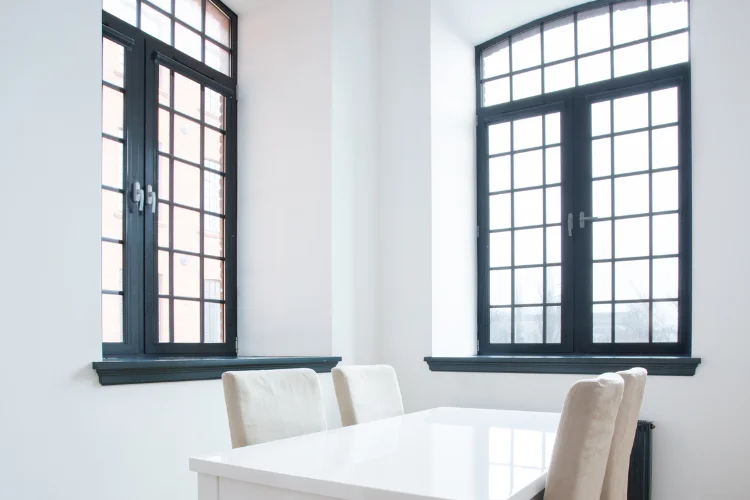
The housing industry has shifted towards designs that prioritise openness, comfort, and continuity between interior and exterior spaces. Homeowners now expect housing products to deliver more than enclosure, with greater emphasis on light, airflow, and a clear connection to the outdoors. In this context, the French glass window has gained relevance as a performance-led fenestration product. By improving daylight access, visual openness, and usability, this window system strengthens the relationship between indoor living areas and external spaces such as balconies and terraces.
The Importance of Indoor-Outdoor Connection in Modern Housing
Indoor-outdoor connection has become a key element of contemporary housing design. Living spaces that maintain a visual and functional link with outdoor areas feel more adaptable and comfortable. This connection improves daily living by allowing natural light and fresh air into interior spaces while preserving protection from external conditions. Fenestration products play a central role in achieving this balance, as windows form the primary interface between indoor spaces and the outdoors.
What Defines a French Glass Window in the Housing Industry?
A French Glass Window is defined by its large glass surface area and symmetrical configuration supported by precision-engineered framing. Unlike conventional window systems that limit transparency, this design emphasises openness and spatial continuity. The structure allows greater daylight penetration while maintaining alignment with housing safety and performance requirements. In the housing industry, this window system serves as a practical fenestration product suitable for living rooms, dining rooms, and bedrooms facing outdoor areas.
Maximising Natural Light to Strengthen Spatial Connection
Natural light plays a key role in enhancing the connection between indoor and outdoor spaces. Large glass panels let daylight reach deeper into living spaces, shaping how interiors feel throughout the day.
Key benefits of improved natural light include:
- Deeper daylight penetration across living areas
- Reduced dependence on artificial lighting during daytime hours
- Improved visual comfort with balanced light distribution
- Enhanced perception of openness and spatial continuity
By supporting consistent daylight access, glass window systems help create interiors that feel brighter and more connected to the outdoors.
Visual Continuity Between Interior and Exterior Spaces
Visual continuity strengthens the sense of openness in housing layouts. Clear sightlines between indoor spaces and balconies, gardens, or terraces allow residents to experience outdoor surroundings even when windows remain closed. Engineered aluminium frames support larger glass panels while maintaining clean lines and precise alignment. This clarity ensures fenestration products integrate seamlessly into the housing layout rather than interrupting it.
Supporting Ventilation and Everyday Comfort
Ventilation directly influences indoor comfort and air quality. Window systems designed for frequent use must balance airflow control with ease of operation.
From a functional perspective, such systems offer:
- Controlled airflow that supports healthier indoor conditions
- Smooth operation that encourages regular use
- Reduced effort during daily opening and closing
- Improved thermal comfort through natural ventilation
Together, these factors ensure that the indoor-outdoor connection remains practical and comfortable in everyday living.
Performance Across Weather Conditions
Housing products exposed to outdoor environments must perform reliably across varied weather conditions. In the Indian housing market, windows face challenges from wind pressure, rainfall, and temperature variation. Aluminium-based fenestration products provide the strength and dimensional stability required to support large glass panels. Proper engineering protects against moisture ingress and structural stress, ensuring long-term performance without compromising usability or comfort.
Must Read: French Windows: A Timeless Addition to Every Home
Contribution to Sustainable Housing Design
Sustainability has become an essential consideration in modern housing decisions. Material selection plays a key role in reducing long-term environmental impact.
From a sustainability perspective, aluminium-based window systems provide:
- High recyclability and responsible material usage
- Longer product lifespan compared to alternative materials
- Fire-safe properties that enhance housing safety
- Stable performance that reduces replacement frequency
These attributes align with sustainable housing practices while maintaining functional reliability.
Installation Accuracy and Site Efficiency
Construction efficiency influences both build quality and timelines. Pre-engineered window systems simplify installation and reduce site-level uncertainties.
Key installation advantages include:
- Factory-made components that ensure dimensional accuracy
- Labelled parts that reduce handling errors
- Simplified storage and on-site movement
- Faster integration with building structures
This efficiency improves consistency across housing projects and supports better construction outcomes.
Enhancing Movement Through Coordinated Openings
The indoor-outdoor connection improves when window systems align with access points in the housing layout. Coordinated planning allows residents to move easily between interior spaces and outdoor areas.
This coordination enables:
- Smoother movement between living spaces, balconies, or gardens
- Better alignment between visual openness and physical access
- Improved usability during daily routines
Such alignment strengthens the functional relationship between indoor and outdoor zones.
Creating a Cohesive Indoor-Outdoor Layout
A cohesive housing layout depends on consistency across fenestration products. French doors support this continuity by providing access while maintaining transparency alongside glass window systems.
This integrated approach results in:
- Consistent visual language across openings
- Balanced access and visibility throughout the home
- Long-term usability across connected living areas
French Doors complement window systems by reinforcing the overall indoor-outdoor relationship without disrupting design intent.
Conclusion
A well-designed French glass window plays a meaningful role in transforming the indoor-outdoor connection within modern housing. By improving natural light, ventilation, visual continuity, and usability, this fenestration product supports comfortable and durable living environments. When planned alongside complementary openings, housing products achieve a balance between openness and performance that aligns with contemporary housing expectations.