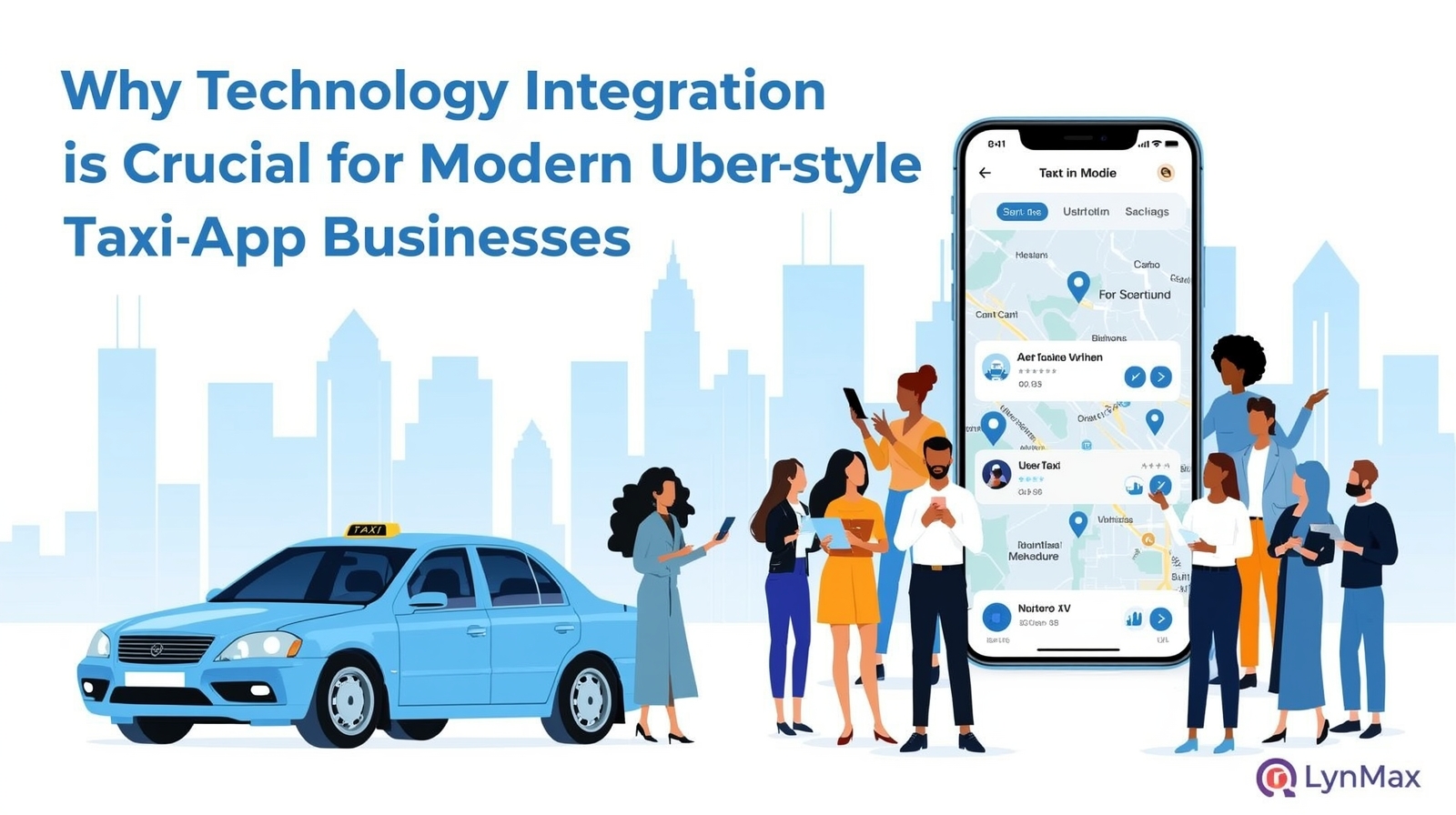
Technology fuels the modern taxi app business. It is not just an added feature; it forms the core of operations, driving efficiency, customer satisfaction, and long-term growth. Taxi companies move past simple dispatch radio systems, employing sophisticated digital tools to manage fleets, connect riders with drivers, and deliver a superior travel experience. Success today means placing technology at the center of your business model.
Build a Foundation with Core Mobile App Technology
A powerful mobile application, often built as a custom uber clone app, stands as the first necessity for any modern taxi service. This application serves as the main interaction point for both riders and drivers, automating processes that were once slow and prone to human error.
GPS and Real-Time Location Services
Accurate Global Positioning System (GPS) technology provides the backbone for the entire operation. It moves your business beyond guesswork, establishing certainty in every trip.
- Pinpoint Pickup and Drop-off: Riders use the app to mark their exact location without speaking to a dispatcher. This precision removes confusion, significantly reducing the time drivers spend searching for customers.
- Live Trip Tracking: Riders watch their assigned vehicle move on a map from booking to arrival. This real-time visibility offers immense peace of mind, increases transparency, and gives riders accurate estimated arrival times (ETAs).
- Route Optimization: The system automatically calculates the fastest and most efficient route for the driver, considering real-time traffic data. This saves fuel, reduces vehicle wear, and gets the passenger to their destination quicker, leading to lower operating costs and happier customers.
Facilitate Cashless Transactions
The ability to pay instantly and securely within the app is a requirement, not a luxury. Integrating diverse payment gateways makes the financial part of the ride invisible and smooth.
- Multiple Payment Methods: The app must accept credit cards, digital wallets (like Apple Pay or Google Pay), and potentially local bank transfers or digital currency options. Offering these choices accommodates every user’s preference.
- Secure Payment Processing: Robust security measures, including data encryption and compliance with global financial standards, build user trust. Customers feel safe storing their payment information on your platform.
- Automated Invoicing: Once the ride ends, the system automatically processes the payment and sends a digital receipt. This automation reduces administrative work for the company and removes the need for drivers to handle physical cash, further improving safety and transaction speed.
Drive Efficiency with Advanced Algorithms
Integrating Artificial Intelligence (AI) and Machine Learning (ML) moves the taxi app business from reactive to proactive, improving operational capabilities and profitability. These algorithms solve complex logistical challenges instantly.
Intelligent Dispatch and Ride Allocation
AI-powered dispatch systems do much more than simply assigning the closest driver. They evaluate a multitude of factors to make the best match possible.
- Smart Matching: The system considers the driver’s proximity, current traffic conditions, the vehicle type requested, and driver ratings. This complexity ensures high efficiency in driver assignments, minimizing rider wait times.
- Automated Scheduling: The app manages ride requests and driver availability without manual intervention. This dramatically increases the number of rides processed, reduces operational bottlenecks, and allows the business to scale its operations with fewer internal staff.
Dynamic Pricing Models
AI analyzes real-time supply and demand fluctuations to set fair, effective prices. This system ensures service availability even during peak demand periods.
- Supply and Demand Balancing: When demand surges (e.g., during rain or a major event), the system slightly increases the fare. This increase incentivizes more drivers to log on and accept rides, quickly balancing the market and maintaining a reliable service for passengers.
- Forecasting Demand: ML algorithms analyze historical data, weather patterns, and local events to predict where and when demand will be highest. The business uses these insights to strategically position drivers before a rush even begins.
Maintain Service Quality and Reliability
Technology offers the necessary tools to monitor, evaluate, and uphold a high standard of service across the entire fleet and driver base. Reliability keeps customers coming back.
Comprehensive Safety and Security Features
Safety remains a passenger’s top priority. Technology builds trust by providing layers of protection for both riders and drivers.
- In-App Emergency Button: A dedicated SOS button connects the user directly to emergency services or a company security team. The system simultaneously transmits the rider’s and driver’s real-time location.
- Driver and Vehicle Verification: The app requires digital driver profiles, including photo, license, and vehicle details, which are shared with the rider before pickup. This transparency ensures the rider enters the correct, authorized vehicle.
- Trip Sharing: Passengers send their live trip status and ETA to trusted contacts outside the app. This feature gives friends and family real-time location assurance.
Data Analytics for Performance Improvement
Every action on the app generates data, and technology helps turn this raw data into actionable business intelligence. Data drives informed decision-making.
- Driver Performance Metrics: The system tracks key performance indicators (KPIs) like acceptance rates, cancellation rates, and average trip speed. The company uses this data to identify top performers and target areas for driver coaching and incentives.
- Customer Behavior Insights: Analyzing booking patterns, popular pickup spots, and ride times allows the business to adjust its service offerings and resource allocation. This data-driven approach ensures the company meets the evolving needs of its market.
- Feedback Loops: Integrated rating and review systems collect immediate feedback from both riders and drivers. The business uses this input to quickly resolve issues and continuously improve the service quality.
Future-Proof Your Business with Scalable Solutions
The technology stack supporting a ride-hailing app must be built to handle massive scale and future innovation, ensuring the business stays competitive as the market evolves.
Cloud Computing for Infrastructure
Cloud-based server architecture gives the taxi app business the stability and flexibility it requires to operate under variable load.
- Scalability: Cloud platforms automatically scale resources up or down to handle millions of ride requests during peak hours or major events without system crashes. This eliminates capacity issues and guarantees reliable service.
- Data Storage and Security: The cloud provides secure, redundant storage for vast amounts of transactional data, driver records, and user information, protecting the business from data loss and security breaches.
Integration with Emerging Mobility Trends
Modern technology prepares the business to pivot and integrate with new transportation models, ensuring its relevance in the future of urban travel.
- Multimodal Transport: The app can integrate with other forms of transit, like public transportation schedules or shared bike/scooter services. This offers riders a single platform for all their urban mobility needs.
- Electric Vehicle (EV) Management: Technology allows the business to manage EV fleets by monitoring battery levels, locating nearby charging stations, and optimizing routes specifically for electric vehicles. This prepares the company for a sustainable future.
Conclusion
Technology integration is the single most essential requirement for success in the modern taxi app business. It transforms a simple transportation service into a sophisticated, data-driven logistical network. The mobile app acts as the vehicle for innovation, making every aspect of the ride—from booking and tracking to payment and safety—faster, smarter, and more reliable. Companies that fully commit to a technology-first approach dominate their markets. They drive higher efficiency, cultivate stronger customer trust through enhanced safety, and utilize data to constantly improve. In this industry, the app is the business.