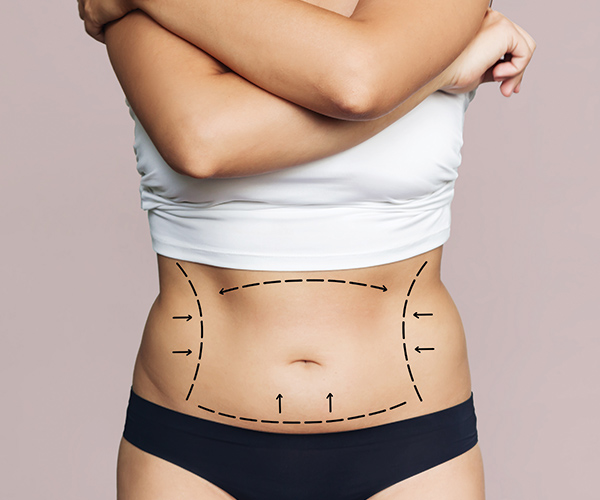
Achieving balanced body proportions involves more than focusing on one particular area of the body. Fat distribution, natural body shape, skin elasticity, and individual aesthetic goals all influence how the body looks from different angles. For people considering body contouring, understanding how surgeons assess different areas before treatment is an important part of making an informed decision.
360 Liposuction Dubai is a body contouring procedure designed to address unwanted fat deposits around the entire midsection. Rather than concentrating exclusively on the abdomen, this approach considers the front, sides, and back of the waist to create a more harmonious overall appearance. However, every individual has a different body structure, meaning the areas included in treatment depend on a personalised assessment.
At Cornerstone Clinic, an appropriate body assessment helps establish which areas may benefit from liposuction and how different parts of the torso relate to one another. Understanding these areas also helps patients develop realistic expectations about the potential results of treatment.
Understanding the Purpose of a 360 Liposuction Assessment
A 360-degree body assessment examines the torso from multiple angles to understand where excess fat is distributed. The objective is to evaluate the waistline as a complete structure rather than treating isolated fat deposits without considering the surrounding areas.
During the consultation, the surgeon may examine the abdomen, flanks, waist, lower back, and other relevant areas. These regions are considered together because changes in one part of the torso can influence the appearance of another.
For example, reducing fat around the abdomen without considering the sides may leave the waistline looking less defined than expected. Similarly, addressing the lower back can contribute to a smoother transition between the waist and hips.
The assessment also considers skin quality, body proportions, and the patient’s desired outcome. These factors help determine whether 360 liposuction is an appropriate option or whether another body contouring approach may be more suitable.
Which Areas Are Examined During a 360 Liposuction Assessment?
A comprehensive assessment usually covers several areas around the midsection. The exact treatment plan varies according to individual anatomy and the surgeon’s clinical evaluation.
Upper Abdomen
The upper abdomen is the area between the lower ribcage and the belly button. Fat accumulation in this region can create fullness beneath the chest and affect the natural contour of the torso.
During assessment, the surgeon evaluates the amount and distribution of fatty tissue in the upper abdominal region. They may also consider whether the fullness is related to subcutaneous fat, abdominal muscle separation, or other factors.
This distinction is important because liposuction addresses localised fat deposits rather than tightening separated abdominal muscles.
Lower Abdomen
The lower abdomen is one of the most commonly discussed areas during body contouring consultations. Some individuals experience persistent fat accumulation below the belly button, even when their weight remains relatively stable.
The surgeon examines the thickness and distribution of fat in this region, alongside skin elasticity and the overall abdominal shape.
The assessment also helps determine whether the lower abdomen can be addressed through liposuction alone or whether excess skin requires a different surgical approach.
Flanks and Love Handles
The flanks are located on both sides of the waist, between the lower ribs and hips. Excess fat in this area is commonly referred to as love handles.
Fat deposits around the flanks can make the waist appear wider and reduce the definition between the upper and lower body.
During a 360-degree assessment, the surgeon examines both sides of the waist to understand how the fat distribution affects the body’s natural outline.
Treating the flanks alongside the abdomen may help create a smoother transition around the midsection when clinically appropriate.
Waistline
The waistline plays an important role in overall body proportions. Its appearance depends on several surrounding areas, including the abdomen, flanks, and lower back.
The surgeon evaluates the natural waist shape, the location of fat deposits, and how the waist relates to the ribcage and hips.
Some individuals have a naturally straighter torso, while others have a more noticeable inward waist curve. The assessment considers these differences rather than applying the same contouring approach to every patient.
The objective is to understand how the waist can be refined while maintaining proportions that complement the individual’s body structure.
Upper and Lower Back
The back is another important part of a 360-degree liposuction assessment. Fat accumulation around the upper and lower back can influence the appearance of the waistline, particularly when viewed from behind or from the side.
The surgeon may examine areas around the bra line, beneath the shoulder blades, and across the lower back.
The location and thickness of fatty deposits help determine whether these regions could be included in the treatment plan.
Considering the back alongside the abdomen and flanks allows the surgeon to evaluate the torso as a continuous shape rather than focusing only on the front of the body.
Posterior Waist and Lower Back Transition
The posterior waist refers to the area where the lower back transitions into the hips and buttocks. Fat accumulation in this region can affect the definition of the waist when viewed from the rear.
During assessment, the surgeon considers whether localised fullness is contributing to an uneven outline.
The relationship between the posterior waist, flanks, and hips is particularly important when planning circumferential body contouring.
The aim is to maintain a natural-looking transition between the different regions without creating an excessively narrow or artificial appearance.
Hip Area
Although the hips are not necessarily included in every 360 liposuction procedure, they may be considered during the overall body assessment.
The surgeon examines the distribution of fat around the outer hips and how this area relates to the waist and lower abdomen.
Some individuals have naturally fuller hips, while others experience localised fat deposits that affect their preferred body proportions.
Evaluating the hips helps establish whether the planned treatment should remain focused on the midsection or include additional contouring considerations.
How Do Surgeons Evaluate Body Fat Distribution?
Body fat distribution varies considerably between individuals. Two people with similar body weights may have completely different abdominal and waistline contours.
During a consultation, the surgeon evaluates where fat is concentrated and whether the deposits are localised or spread across several regions.
Subcutaneous fat, which sits beneath the skin, is the primary target of liposuction. However, deeper internal abdominal fat cannot be removed through this procedure.
The surgeon may assess the torso while the patient is standing to understand how fat deposits affect the natural body outline. They may also examine different angles to identify areas that are less noticeable from the front but more prominent from the sides or back.
This assessment helps determine which regions may benefit from treatment and whether the expected outcome is realistic.
Why Is Skin Elasticity Important During Assessment?
Skin elasticity influences how the body responds after fat removal. When fat is reduced, the skin needs sufficient flexibility to adapt to the new underlying contour.
During the consultation, the surgeon examines the skin’s texture, firmness, and ability to retract.
Individuals with relatively good skin elasticity may be more suitable for liposuction alone, depending on their overall anatomy. However, people with considerable loose or hanging skin may require a different approach.
Previous weight changes, ageing, pregnancy, and natural skin characteristics can all influence skin quality.
This is why the assessment involves more than measuring the amount of fat present. Understanding the condition of the skin helps the surgeon recommend an approach that is appropriate for the patient’s body.
How Do Individual Body Proportions Influence Treatment Planning?
Body contouring should take the entire body shape into consideration. Reducing fat in one area without examining the surrounding regions may not produce the balanced appearance a patient expects.
For example, someone with prominent love handles may benefit from an assessment that includes the abdomen and lower back. Another individual may have relatively little fat around the flanks but more noticeable fullness across the lower abdomen.
The surgeon also considers the relationship between the waist, hips, ribcage, and abdominal profile.
Treatment planning should reflect the individual’s natural anatomy instead of attempting to create an identical shape for every patient.
A personalised approach helps establish which areas should be prioritised and how the proposed procedure may contribute to the desired body contour.
Who May Be Suitable for 360 Liposuction Dubai?
Suitability depends on several factors, including body composition, fat distribution, skin elasticity, general health, and expectations.
People who may be considered for this procedure include:
- Individuals with localised fat deposits around the abdomen and waist.
- People who experience persistent love handles despite maintaining a relatively stable weight.
- Individuals with unwanted fat around the lower back and flanks.
- Those seeking a more defined waistline and smoother torso proportions.
- People with sufficient skin elasticity to accommodate the expected changes after fat removal.
It is important to understand that liposuction is a body contouring procedure rather than a weight-loss treatment. It is not intended to replace healthy lifestyle habits or address significant excess skin.
A consultation allows the surgeon to determine whether the procedure is appropriate and whether alternative treatments should be considered.
What Happens During the Initial Body Assessment at Cornerstone Clinic?
The initial consultation provides an opportunity to discuss aesthetic goals and understand the patient’s existing body proportions.
The surgeon may begin by reviewing the patient’s medical history, previous procedures, weight stability, and expectations. This information provides useful context before examining the areas being considered for treatment.
A physical examination may then focus on:
- The amount and location of abdominal fat.
- Fat deposits around the waist and flanks.
- Upper and lower back contours.
- Skin elasticity and overall skin quality.
- The relationship between the abdomen, hips, and waistline.
- Areas that may require a different body contouring approach.
Photographs or body measurements may also be used as part of the assessment and treatment planning process.
Following the examination, the surgeon can discuss whether 360 liposuction is suitable, which areas may be addressed, and what results may reasonably be expected.
This process helps patients understand the proposed treatment rather than making decisions based solely on general descriptions of the procedure.
Understanding 360 Liposuction Cost in Dubai
The cost of 360 liposuction can vary because every patient has different body contouring requirements. The number of areas being treated, the complexity of the procedure, and the recommended surgical approach can all influence the overall treatment plan.
When discussing 360 Liposuction cost in Dubai, patients should understand that the final price is generally determined after an individual consultation.
Several factors may influence the cost:
- Number of treatment areas: Addressing the abdomen, flanks, and back may involve a different treatment plan from focusing on fewer regions.
- Treatment complexity: Individual anatomy and the distribution of fatty deposits can influence the procedure.
- Surgeon’s assessment: The recommended approach depends on the patient’s body structure and desired outcome.
- Surgical arrangements: The overall treatment plan may include facility, anaesthesia, and aftercare arrangements.
- Additional procedures: Some patients may require a different or combined body contouring approach.
At Cornerstone Clinic, an individual assessment helps establish which areas should be considered and provides a basis for discussing the appropriate treatment plan and associated costs.
Rather than choosing a procedure based on price alone, patients should understand what their proposed treatment includes and whether it addresses their particular concerns.
Preparing for a 360 Liposuction Consultation
Preparing for the consultation can help patients communicate their goals more clearly and understand the assessment process.
Before attending an appointment, it can be helpful to consider which areas of the body are causing concern and what changes the patient hopes to achieve.
Patients should also be prepared to discuss their medical history, Best Tummy Tuck Dubai previous operations, current medications, and any significant changes in body weight.
It is useful to have realistic expectations and understand that the final body contour depends on individual anatomy, skin quality, and the treatment approach.
The consultation should provide enough information for patients to understand the procedure, the areas being considered, and whether the recommended approach is suitable for them.
Conclusion
A comprehensive body assessment is an essential part of planning 360-degree liposuction. Rather than focusing exclusively on the abdomen, surgeons examine the upper and lower abdomen, flanks, waistline, upper and lower back, posterior waist, and potentially the hip area.
Each region contributes to the overall appearance of the torso, making it important to understand how different areas relate to one another. Skin elasticity, fat distribution, and natural body proportions also influence treatment recommendations.
At Cornerstone Clinic, an individual consultation helps establish which areas may benefit from body contouring and whether 360 Liposuction Dubai is an appropriate option. A personalised assessment provides a clearer understanding of the procedure, expected outcomes, and the factors influencing the treatment plan.
Frequently Asked Questions
1. Which areas are included in 360 liposuction?
360 liposuction commonly considers the upper abdomen, lower abdomen, flanks, love handles, waistline, and lower back. Depending on individual anatomy, the assessment may also include the upper back and areas around the hips.
2. Does 360 liposuction include the entire abdomen?
Yes, the assessment generally considers both the upper and lower abdomen. However, the exact treatment areas depend on the patient’s fat distribution, skin elasticity, and surgical goals.
3. Are love handles included in 360 liposuction?
Yes, the flanks or love handles are commonly considered. Addressing these areas alongside the abdomen may help create a more defined waistline when appropriate.
4. Is the back included in 360 liposuction?
The upper and lower back may be included depending on the patient’s body structure and treatment requirements. The surgeon assesses these regions to understand how they contribute to the overall torso contour.
5. Can 360 liposuction address lower abdominal fat?
Yes, localised subcutaneous fat in the lower abdomen can be considered for treatment. However, the surgeon must first evaluate the skin condition and determine whether liposuction alone is appropriate.
6. Does 360 liposuction include the hips?
The hips may be examined during the assessment, but they are not automatically included in every procedure. Their involvement depends on the individual’s anatomy and desired body proportions.
7. Why is skin elasticity assessed before 360 liposuction?
Skin elasticity helps determine how well the skin may adapt after fat removal. Patients with significant loose skin may require a different body contouring approach.
8. Is 360 liposuction suitable for weight loss?
No, 360 liposuction is designed to remove localised fat deposits and improve body contours. It is not a substitute for weight management or a treatment for obesity.
9. How is the treatment plan decided for 360 liposuction?
The surgeon considers fat distribution, skin elasticity, body proportions, medical history, and the patient’s aesthetic goals. These factors help determine which areas may be included in the procedure.
10. How much does 360 liposuction cost in Dubai?
The 360 Liposuction cost in Dubai depends on the number of areas treated, procedure complexity, surgical requirements, and individual treatment plan. A consultation is necessary to establish the appropriate approach and associated cost.