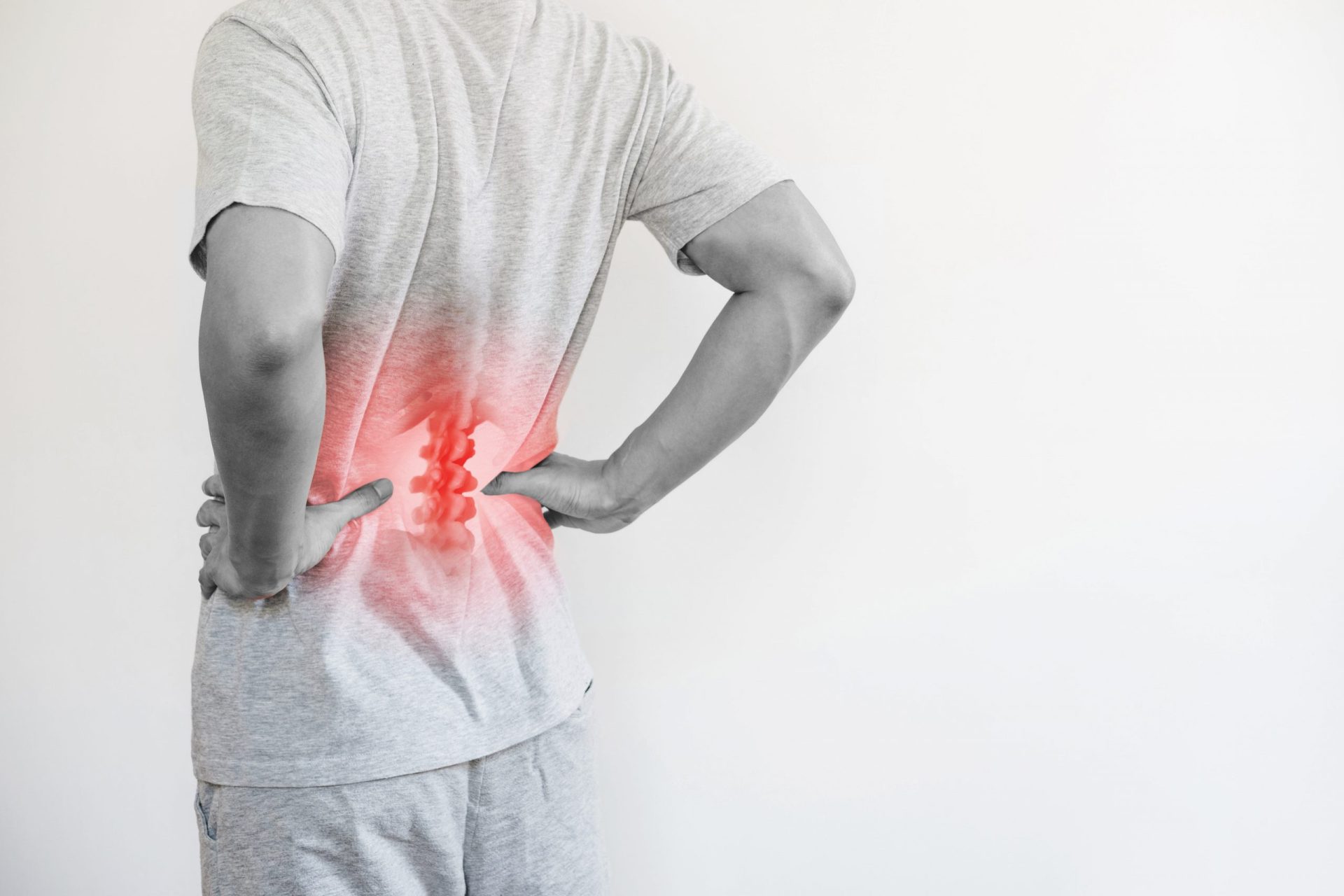
Chronic lower back pain can affect much more than the spine. It may interfere with walking, sitting, sleeping, working, exercising, and everyday activities. When discomfort continues for an extended period, understanding the factors contributing to the symptoms becomes an important part of developing an effective rehabilitation plan.
Lower Back Pain Dubai care can involve a combination of assessment, therapeutic exercise, strengthening, mobility work, manual therapy, movement education, and functional rehabilitation. The appropriate approach depends on the individual’s symptoms, physical condition, activity level, and recovery objectives.
At Vitruvian Italian Physiotherapy Center, physiotherapy programs are tailored around individual needs, with services including manual therapy, exercise therapy, clinical strengthening, postural education, and biomechanical analysis. This personalized approach can be particularly relevant for people managing persistent lower back problems.
Understanding Chronic Lower Back Pain
Lower back pain can develop for many different reasons. It may be associated with muscle or joint problems, prolonged physical strain, repetitive movements, reduced physical activity, previous injuries, or other underlying conditions.
Not every case has the same cause or pattern. Some people experience localized discomfort, while others may have stiffness, reduced mobility, or symptoms extending toward the hip or leg.
For chronic conditions, the focus is often broader than simply addressing the location of discomfort. Rehabilitation may consider strength, flexibility, posture, movement patterns, physical activity, and the person’s ability to perform daily tasks.
NICE guidance on low back pain emphasizes assessment and management according to individual needs and includes exercise-based approaches as part of care.
Why Comprehensive Assessment Matters
A detailed assessment provides a foundation for personalized rehabilitation. A physiotherapist may review the history of the problem, previous injuries, physical activities, work requirements, movement limitations, and current symptoms.
The physical assessment may consider:
- Spinal mobility
- Hip movement
- Muscle strength
- Flexibility
- Posture
- Balance
- Walking patterns
- Functional movement
- Exercise tolerance
- Daily activity limitations
This information can help determine which areas require greater attention.
At Vitruvian Italian Physiotherapy Center, individualized assessment is used to develop treatment programs around the patient’s particular condition and objectives. For someone considering Lower Back Pain Dubai treatment, this assessment-based approach can provide a structured starting point for rehabilitation.
The Role of Physiotherapy in Chronic Back Conditions
Physiotherapy can help people with persistent back problems work toward improved movement and physical function. Treatment may combine active and hands-on approaches depending on the patient’s presentation.
Exercise therapy can target strength, mobility, endurance, movement control, and functional capacity. NICE describes exercise therapy as encompassing different forms of physical activity designed to improve parameters such as muscle strength, endurance, flexibility, range of motion, movement precision, and functional performance.
At Vitruvian Italian Physiotherapy Center, rehabilitation can incorporate exercise therapy and clinical strengthening alongside other physiotherapy techniques.
This makes Lower Back Pain Dubai care more than simply addressing short-term discomfort; it can involve building physical capacity and improving how the body performs everyday movements.
Personalized Exercise Programs
Exercise selection is an important part of chronic lower back rehabilitation. However, there is no single exercise routine that is suitable for every patient.
A physiotherapist can select movements according to the individual’s current strength, mobility, symptoms, and functional goals.
An exercise program may include:
- Mobility exercises
- Core and trunk strengthening
- Hip strengthening
- Flexibility exercises
- Motor-control exercises
- Functional movements
- Aerobic activities
- Progressive resistance training
The difficulty can be gradually increased as physical capacity improves.
At Vitruvian Italian Physiotherapy Center, exercise therapy and clinical strengthening are incorporated into rehabilitation programs according to individual requirements. This can help patients develop a more structured approach to improving physical function.
Strengthening the Core and Supporting Muscles
The muscles around the trunk, pelvis, and hips contribute to movement and physical stability. When strength or endurance is reduced, everyday activities may become more demanding.
A physiotherapist can develop a strengthening program that gradually improves muscular capacity. Exercises may involve the abdominal muscles, back muscles, glutes, hips, and lower limbs.
Strengthening should be progressive and appropriate to the patient’s current abilities. Starting with controlled movements and gradually increasing resistance or complexity can help develop physical capacity over time.
For people undergoing Lower Back Pain Dubai rehabilitation, strengthening can therefore become an important component of a broader mobility and functional program.
Improving Spinal and Hip Mobility
Limited mobility in the lower back or hips can affect bending, walking, sitting, standing, and other everyday movements.
A physiotherapist can assess which movements are restricted and select appropriate mobility exercises. Depending on the individual’s condition, treatment may focus on spinal movement, hip mobility, flexibility, or functional movement patterns.
Improving mobility does not necessarily mean forcing the body into uncomfortable positions. Instead, rehabilitation can focus on gradually developing comfortable and controlled movement.
At Vitruvian Italian Physiotherapy Center, mobility and movement-based rehabilitation can be combined with strengthening and manual therapy as part of a personalized program.
Manual Therapy for Selected Patients
Manual therapy may be incorporated into physiotherapy when appropriate. Techniques can include joint mobilization, soft-tissue techniques, or other hands-on approaches selected according to the patient’s assessment.
For chronic lower back conditions, manual therapy is generally most useful when incorporated into a broader rehabilitation program rather than being the only treatment approach. NICE recommends considering manual therapy alongside exercise for low back pain and sciatica.
At Vitruvian Italian Physiotherapy Center, manual therapy is included among the physiotherapy approaches available as part of individualized care.
This allows hands-on treatment to complement active rehabilitation and exercise-based progression.
Postural Education and Movement Awareness
Daily habits can influence how a person moves and manages physical activities. Long periods of sitting, repetitive tasks, lifting, and limited movement may affect how the body feels during everyday activities.
Postural education can help patients understand their movement habits and make appropriate adjustments.
A physiotherapist may provide guidance related to:
- Sitting positions
- Standing habits
- Workplace movement
- Lifting techniques
- Exercise form
- Movement breaks
- Everyday activity management
At Vitruvian Italian Physiotherapy Center, postural education forms part of the broader physiotherapy approach.
Rather than focusing on one posture as universally correct, rehabilitation can emphasize comfortable movement, physical capacity, and appropriate strategies for individual activities.
Biomechanical Assessment and Movement Patterns
The lower back works together with the hips, pelvis, legs, and upper body. Changes in one area can influence movement elsewhere.
Biomechanical analysis can help examine how a person walks, bends, squats, lifts, or performs other functional movements.
At Vitruvian Italian Physiotherapy Center, biomechanical analysis is included within its rehabilitation services. This can be particularly useful for active individuals whose lower back symptoms interfere with exercise or sports.
Understanding movement patterns can help physiotherapists select exercises that address specific functional limitations.
Managing Chronic Back Pain During Everyday Activities
Chronic lower back pain can make ordinary activities feel more demanding. Sitting through a workday, standing for long periods, driving, shopping, climbing stairs, or exercising may become difficult.
Rehabilitation can focus on gradually improving tolerance for these activities.
For example, someone whose work involves prolonged sitting may benefit from a program emphasizing movement breaks, trunk and hip strengthening, mobility, and gradual physical activity. Someone with a physically demanding occupation may require more emphasis on lifting mechanics and functional strength.
This individualized approach is an important part of Lower Back Pain Dubai rehabilitation.
Physiotherapy for Active Individuals
People who exercise regularly may experience lower back problems that interfere with their preferred activities. Completely abandoning physical activity is not necessarily the objective of rehabilitation.
Instead, an appropriate program can help patients gradually develop the strength, mobility, endurance, and movement control needed for their activities.
For athletes and active individuals, rehabilitation may eventually include sport-specific exercises and progressive functional movements.
At Vitruvian Italian Physiotherapy Center, sports rehabilitation includes clinical strengthening, exercise therapy, biomechanical analysis, screening, injury-prevention programs, and return-to-play preparation.
Progressive Rehabilitation for Long-Term Results
Chronic conditions often require a progressive approach. The rehabilitation program may change as the patient’s strength, mobility, and exercise tolerance improve.
Early sessions may focus on establishing comfortable movement and basic physical capacity. Later stages can introduce more demanding strengthening and functional exercises.
Progress can be monitored through factors such as:
- Strength
- Mobility
- Exercise tolerance
- Functional movement
- Balance
- Walking ability
- Daily activity performance
- Physical endurance
Regular reassessment helps determine whether exercises should be maintained, progressed, or modified.
This makes Lower Back Pain Dubai rehabilitation an ongoing process that can evolve with the patient’s physical abilities.
Understanding Lower Back Pain Cost in Dubai
The Lower Back Pain cost in Dubai can vary because rehabilitation requirements differ between patients. The duration and complexity of treatment depend on the individual’s condition, physical limitations, goals, and progress.
Factors that may influence the Lower Back Pain cost in Dubai include:
- Initial assessment requirements
- Complexity of the condition
- Number of physiotherapy sessions
- Duration of rehabilitation
- Exercise and strengthening requirements
- Manual therapy requirements
- Functional rehabilitation needs
- Additional physiotherapy techniques
- Progress during treatment
A person with a relatively straightforward mobility problem may require a different rehabilitation plan from someone managing persistent symptoms with significant functional limitations.
Understanding the complete treatment program can therefore provide more context when considering Lower Back Pain cost in Dubai.
Personalized Care at Vitruvian Italian Physiotherapy Center
Vitruvian Italian Physiotherapy Center focuses on individualized physiotherapy and rehabilitation. Its services include manual therapy, exercise therapy, clinical strengthening, postural education, biomechanical analysis, and other physiotherapy approaches.
The center’s personalized approach allows treatment to be adapted according to the patient’s physical condition and rehabilitation objectives.
For someone seeking Lower Back Pain Dubai care, an individualized plan can address several components of physical function instead of concentrating exclusively on one symptom.
The Importance of Patient Participation
Chronic rehabilitation works best as an active process. Patients may receive exercises and movement guidance to continue between supervised sessions.
Understanding the purpose of each exercise can make it easier to incorporate rehabilitation into everyday routines.
Patients can also learn how to manage physical activities, gradually increase exercise levels, and recognize how their bodies respond to different movements.
At Vitruvian Italian Physiotherapy Center, the treatment approach emphasizes patient involvement and understanding of physical movement as part of long-term physical health.
Monitoring Progress Over Time
Progress monitoring is especially relevant for chronic conditions because recovery can develop gradually.
A physiotherapist may periodically reassess mobility, strength, functional movement, exercise tolerance, and daily activities.
If a patient is progressing appropriately, exercises can become more challenging. If particular movements remain difficult, the program can be modified.
This responsive approach helps ensure that rehabilitation remains connected to the patient’s current needs.
When Professional Assessment Is Important
Persistent lower back pain that interferes with everyday activities should be assessed by an appropriate healthcare professional. An assessment can help distinguish between different causes of symptoms and determine whether physiotherapy is suitable.
Some symptoms require prompt medical evaluation rather than routine physiotherapy, including significant or progressive weakness, numbness around the genital or anal region, or new problems with bladder or bowel control.
Professional assessment can help establish an appropriate treatment pathway and identify whether additional medical investigation is necessary.
Building Long-Term Physical Function
Long-term management of chronic lower back problems can involve maintaining appropriate levels of physical activity, strength, mobility, and functional capacity.
Once supervised rehabilitation progresses, patients may continue suitable exercises as part of their regular physical routine.
The specific exercises and activity levels should reflect individual needs and physical capabilities.
A physiotherapist can help patients understand how to maintain their progress and gradually return to activities that are important to them.
A Comprehensive Approach to Chronic Lower Back Conditions
A comprehensive physiotherapy program may combine several elements, including:
- Individual assessment
- Therapeutic exercise
- Progressive strengthening
- Mobility training
- Manual therapy when appropriate
- Postural education
- Biomechanical analysis
- Functional rehabilitation
- Activity guidance
- Progress monitoring
NICE guidance recognizes exercise as an important component of management for low back pain and describes multiple forms of exercise therapy that can address strength, flexibility, movement control, endurance, and functional performance.
At Vitruvian Italian Physiotherapy Center, these principles can be incorporated into personalized rehabilitation according to each patient’s condition and objectives.
Conclusion
Chronic lower back pain can influence mobility, physical activity, work, and everyday life. A comprehensive rehabilitation approach can address the different factors that contribute to reduced physical function, including strength, mobility, movement control, posture, and activity tolerance.
At Vitruvian Italian Physiotherapy Center, personalized physiotherapy can combine assessment, therapeutic exercise, clinical strengthening, manual therapy, postural education, biomechanical analysis, and functional rehabilitation.
When considering Lower Back Pain Dubai, patients can look beyond short-term symptom management and consider a structured rehabilitation plan designed around their individual physical needs. Understanding the factors that influence Lower Back Pain cost in Dubai can also help patients appreciate why treatment duration and session requirements differ between individuals.
With appropriate assessment, progressive exercise, and ongoing rehabilitation, physiotherapy can support people in working toward improved mobility, strength, physical capacity, and participation in everyday activities.