

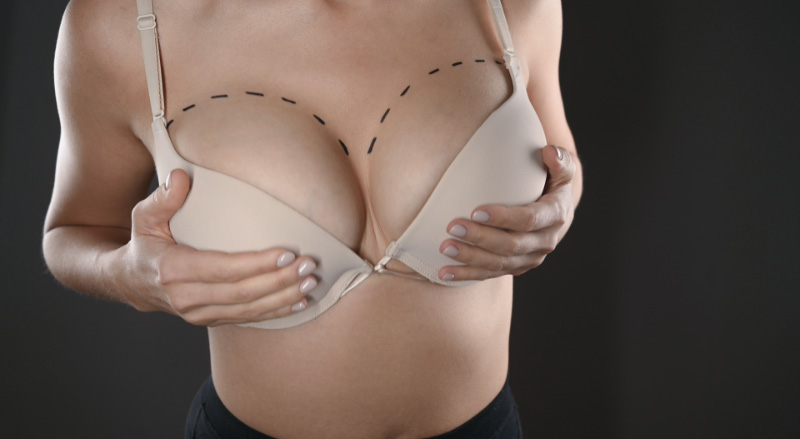
Breast augmentation is a highly personalized procedure, and planning the desired result involves much more than choosing a particular implant size. Every person has a different body structure, breast shape, chest width, tissue distribution, and aesthetic preference. Because of these differences, an implant that produces a balanced appearance for one patient may create a completely different effect for another.
For individuals considering Breast Augmentation Dubai, understanding how body proportions influence treatment planning can make the consultation process more informative. The objective is to create a result that works harmoniously with the patient’s existing anatomy while reflecting their personal goals.
Whether a patient has a petite frame, a broad chest, an athletic build, or naturally limited breast volume, the treatment approach can be planned around individual characteristics. Rather than following a standard formula, surgeons can evaluate measurements, proportions, existing breast tissue, and preferred fullness when discussing suitable options.
Why Body Type Matters in Breast Augmentation
Body type can significantly influence how breast volume is perceived. The same implant can look relatively prominent on a smaller frame but appear more subtle on a taller or broader body.
Several characteristics can be considered when planning breast augmentation, including chest width, breast base, existing breast volume, torso proportions, and the relationship between the breasts and the rest of the body.
For example, a patient with narrow shoulders may have different aesthetic requirements from someone with a broad upper body. Similarly, a petite individual may prefer an enhancement that maintains delicate proportions, while another patient may want a more noticeable increase in fullness.
This is why breast augmentation planning should begin with an assessment of the individual rather than focusing exclusively on implant volume.
How Petite Body Types Can Be Considered
Patients with petite frames often want breast enhancement while maintaining proportionality with their overall body structure. In these cases, implant dimensions can be particularly important.
A smaller frame does not automatically mean that a patient must choose a very small implant. Instead, the surgeon can consider the available breast width, existing tissue, desired projection, and the patient’s personal preference.
For someone seeking a subtle enhancement, the treatment plan may focus on creating moderate fullness that complements the torso. Another petite patient may prefer a more pronounced appearance, requiring a different discussion about implant profile and dimensions.
The key is to determine how the desired volume fits within the patient’s anatomical proportions.
Planning for Tall and Broad Body Types
Patients with taller or broader frames may have a different relationship between breast volume and overall body proportions. A specific implant size can appear less prominent on a larger torso than it would on a smaller frame.
For these patients, chest width and breast base measurements can help guide implant selection. The desired degree of projection can also be discussed.
Some taller patients may prefer an appearance that provides noticeable fullness, while others may want a relatively subtle change. The treatment plan can be developed according to these individual preferences rather than assuming that a larger body requires a larger implant.
Considering Athletic Body Types
Athletic patients may have a more defined chest structure and a different distribution of soft tissue. This can influence how breast augmentation is planned.
The surgeon may consider the patient’s chest dimensions, natural breast volume, muscle structure, and preferred appearance. Implant profile and projection may become important parts of the discussion.
For patients who want a natural-looking enhancement, the goal may be to introduce additional volume while maintaining harmony with the existing body structure. Others may prefer more visible fullness.
An athletic body type therefore requires individualized planning rather than a one-size-fits-all approach.
How Existing Breast Volume Influences Results
Natural breast volume is another important consideration. Patients do not begin with identical breast sizes or shapes, so the same implant may produce different visual results depending on the starting anatomy.
During consultation, the surgeon can assess the existing breast tissue, breast width, position, and overall shape. This information can help determine which implant characteristics may complement the patient’s existing structure.
For example, someone with limited natural breast volume may have different planning considerations from a patient who already has substantial breast tissue.
Understanding the starting point is therefore an essential part of creating a personalized treatment plan.
Why Chest Width Is Important
Chest width is one of the key anatomical factors considered when planning breast augmentation. Implants have specific widths and profiles, so the dimensions need to correspond appropriately with the patient’s chest.
Focusing only on implant volume can overlook these important differences. Two implants can have a similar volume but different widths and projection.
A surgeon can therefore evaluate the patient’s breast base and chest dimensions before discussing which implant characteristics may be appropriate.
This approach helps ensure that the selected option is considered in relation to the patient’s body rather than chosen simply because of a particular number of cubic centimetres.
Choosing the Desired Level of Fullness
Patients have different ideas about their ideal breast appearance. Some prefer a subtle enhancement, while others want a fuller and more defined appearance.
During a consultation, patients can explain their preferences using descriptive terms such as subtle, moderate, full, or enhanced. Visual references can also help communicate the desired aesthetic direction.
However, a photograph cannot necessarily be reproduced exactly because every person’s anatomy is different. Instead, reference images can help establish a conversation about proportions, fullness, and overall appearance.
The final planning process should connect those preferences with what is appropriate for the individual’s anatomy.
Understanding Implant Profile and Projection
Implant profile refers to the relationship between an implant’s base width and how far it projects outward. Different profiles can contribute to different breast shapes and silhouettes.
For a patient with a narrower chest, profile may be an important consideration. Someone with a wider chest may have different dimensional requirements.
Projection also influences how prominent the breasts appear from the side. A patient seeking increased fullness without excessive projection may have different preferences from someone who wants a more noticeable profile.
Discussing these characteristics helps patients understand why implant selection involves more than choosing a volume.
Considering Natural Breast Asymmetry
Many people naturally have some degree of breast asymmetry. One breast may be slightly different in size, shape, position, or volume from the other.
During breast augmentation planning, these characteristics can be assessed individually. Understanding existing asymmetry allows the surgeon to consider it when developing the treatment approach.
Patients should feel comfortable discussing any differences they have noticed and explaining how important symmetry is to their desired result.
The purpose of this assessment is to create a treatment plan that reflects the patient’s actual anatomy rather than assuming that both sides are identical.
How Overall Body Proportions Influence Planning
Breast augmentation can affect the overall appearance of the upper body, so it is useful to consider the relationship between the breasts, shoulders, waist, and torso.
For instance, someone with a narrow upper body may want a different breast profile from someone with broader shoulders. The desired result may also depend on whether the patient wants the breasts to remain visually understated or become a more prominent part of their silhouette.
Considering the entire body helps place breast augmentation within a broader aesthetic context.
How Personal Preferences Shape the Treatment Plan
Anatomy provides the foundation for planning, but the patient’s personal goals are equally important.
Some patients may want a natural-looking enhancement that is proportional to their body. Others may specifically desire increased upper-breast fullness or a more noticeable change in size.
Lifestyle preferences can also be discussed. Clothing choices, exercise routines, and personal style may influence how patients describe their ideal appearance.
A detailed consultation allows these preferences to be combined with anatomical measurements to develop an individualized plan.
What to Discuss During a Consultation
Patients considering Breast Augmentation Dubai can prepare for their consultation by thinking about the appearance they would like to achieve.
Useful topics to discuss include preferred breast size, desired fullness, implant profile, projection, breast symmetry, and how the proposed result may relate to their body proportions.
Patients can also ask why a particular implant dimension has been recommended and how it relates to their chest width and existing breast tissue.
For patients exploring treatment at Cornerstone, a consultation provides an opportunity to discuss these individual considerations and develop an approach based on personal anatomy and aesthetic objectives.
Understanding Breast Augmentation Cost in Dubai
Another common consideration is Breast Augmentation cost in Dubai. The overall cost can vary according to several factors, including the selected implant, treatment plan, surgeon’s expertise, facility-related expenses, and other components of the procedure.
Patients should avoid judging the cost solely by implant size because the overall treatment involves much more than the implant itself.
A personalized consultation is the most appropriate way to understand which options may be suitable and what factors contribute to the overall treatment cost.
Why Personalized Planning Creates a More Individual Approach
There is no single implant size or breast shape that works equally well for every patient. Body proportions, breast dimensions, natural tissue, and personal preferences differ considerably.
Personalized planning allows the surgeon to consider these factors together rather than relying on a standardized approach.
The process may involve evaluating chest width, existing breast volume, breast symmetry, implant dimensions, projection, desired fullness, and overall body proportions.
This comprehensive approach helps patients understand why their recommended treatment plan may differ from someone else’s, even when both patients have similar aesthetic goals.
Conclusion
Planning breast augmentation for different body types requires careful consideration of individual anatomy and personal preferences. Petite, tall, athletic, and broader body types can each have different requirements when it comes to implant dimensions, projection, volume, and overall proportion.
For those considering Breast Augmentation Dubai, the most important part of the process is understanding how the desired appearance can be adapted to their unique body structure. Chest width, existing breast volume, symmetry, body proportions, lifestyle preferences, and desired fullness can all contribute to the planning process.
At Cornerstone, patients can use their consultation to discuss their aesthetic goals, understand the factors involved in implant selection, and explore an approach that is tailored to their individual proportions. Rather than focusing on a universal size, personalized planning provides a more thoughtful way to approach breast augmentation and its desired aesthetic outcome.
FAQs
How does body type affect breast augmentation planning?
Body type can influence how breast volume and implant dimensions appear on the body. Chest width, height, existing breast tissue, breast shape, and overall proportions can all be considered during planning.
Can petite women have breast augmentation?
Yes. Breast augmentation can be planned for petite body types by considering chest dimensions, existing breast volume, implant width, projection, and the patient’s preferred level of fullness.
Do taller patients need larger implants?
Not necessarily. Implant selection is based on individual anatomy and aesthetic goals rather than height alone. A taller patient may have different proportional requirements, but the appropriate implant depends on their specific measurements.
Why is chest width important when choosing an implant?
Chest width helps determine how the implant dimensions relate to the patient’s anatomy. Implant volume alone does not indicate its width or projection, making overall dimensions an important part of planning.
Does existing breast tissue affect breast augmentation results?
Yes. Existing breast volume and tissue distribution can influence how an implant contributes to the overall breast shape and fullness.
Can breast augmentation be planned around an athletic body?
Yes. Athletic patients can have an individualized treatment plan that considers their chest structure, existing breast volume, body proportions, and preferred appearance.
What is implant projection?
Implant projection describes how far an implant extends forward from its base. Different levels of projection can create different visual profiles and can be considered according to the patient’s anatomy and preferences.
Can natural breast asymmetry be considered?
Yes. Existing differences in breast size, position, or shape can be evaluated during consultation and incorporated into the overall treatment planning process.
How do I choose the right breast size?
The appropriate size depends on your anatomy as well as your personal goals. Discussing your preferred level of fullness and using visual references can help communicate your expectations during consultation.
What factors influence Breast Augmentation Cost in Dubai?
Breast Augmentation Cost in Dubai can vary according to implant selection, treatment planning, surgical and facility-related factors, and other aspects of the individual procedure. A consultation can provide more relevant information based on the planned treatment.
Why shouldn’t I choose an implant based only on volume?
Two implants with similar volumes can have different widths, heights, and projection. Considering all dimensions allows implant selection to be related more closely to the patient’s chest and breast anatomy.
What should I discuss during a breast augmentation consultation?
Patients can discuss their preferred size, shape, fullness, projection, existing asymmetry, body proportions, implant options, and questions about Breast Augmentation Cost in Dubai. These discussions help establish an individualized treatment plan.
