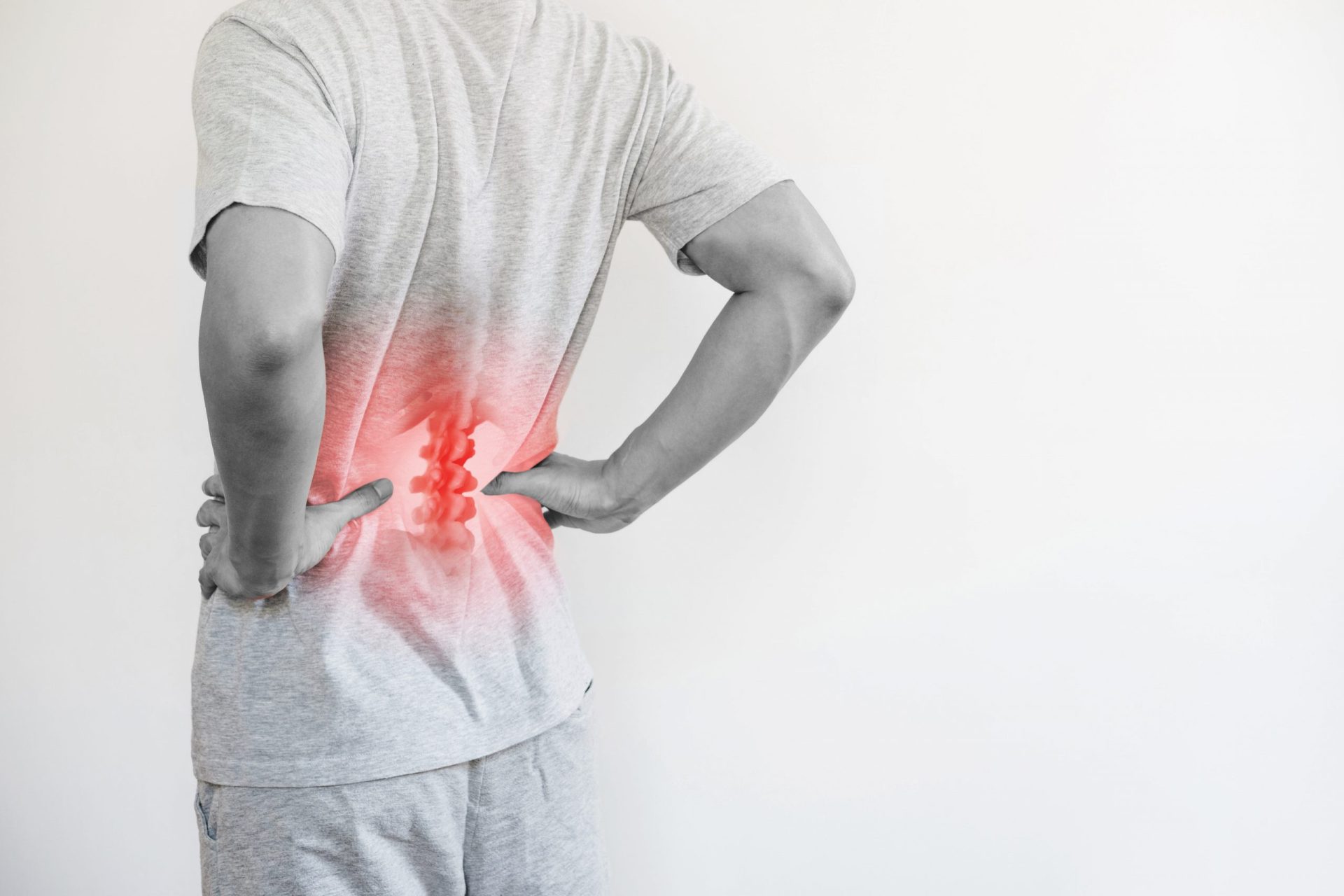
Lower back pain is one of the most common musculoskeletal complaints and can affect people across different ages, professions, and activity levels. Long hours at a desk, physically demanding work, sports activities, poor movement habits, previous injuries, and periods of reduced physical activity can all contribute to discomfort in the lower back.
Although lower back pain may sometimes improve with time, recurring or persistent symptoms can interfere with walking, exercising, working, sleeping, and everyday activities. A comprehensive approach therefore focuses on more than temporary pain relief. It considers mobility, strength, posture, physical activity, lifestyle habits, and the individual’s functional goals.
For people seeking Lower Back Pain Dubai solutions, physiotherapy can provide a structured pathway toward improved movement and function. Vitruvian Italian Physiotherapy Center emphasizes individualized physiotherapy programs that can include exercise, manual therapy, movement assessment, rehabilitation, and lifestyle guidance.
Understanding Lower Back Pain
The lower back, or lumbar region, supports the upper body and plays an important role in bending, lifting, walking, sitting, and many other movements. Because it is involved in so many daily activities, it can be affected by a wide range of factors.
Lower back pain can present as:
- A dull or aching sensation
- Sharp or sudden pain
- Muscle tightness
- Stiffness after sitting or resting
- Discomfort when bending or lifting
- Pain that extends toward the buttocks or legs
- Reduced flexibility
- Difficulty maintaining normal activities
Not every episode of lower back pain has a single identifiable cause. Some cases are associated with muscle or ligament strain, while others may involve joint irritation, disc-related problems, nerve sensitivity, or other musculoskeletal factors.
A thorough assessment is therefore valuable when symptoms persist, repeatedly return, or interfere with normal function.
Common Causes of Lower Back Pain
Lower back pain can develop for different reasons, and several contributing factors may exist at the same time.
Sedentary Lifestyle
Spending many hours sitting can reduce opportunities for movement and may contribute to stiffness and reduced physical conditioning. Office workers who remain in one position for extended periods may notice discomfort that becomes more noticeable toward the end of the day.
Poor Movement Habits
Repeated bending, twisting, lifting, or reaching with inefficient movement strategies can place additional demands on the lower back.
Muscle Weakness
Reduced strength in the trunk, hips, and lower limbs can make everyday physical activities more challenging. A comprehensive exercise program can help improve general physical capacity.
Sports and Physical Activity
Running, weight training, football, cycling, and other activities can sometimes aggravate the lower back, particularly when training loads increase rapidly or recovery is inadequate.
Previous Injuries
A previous episode of back pain or injury may influence movement patterns and activity levels, potentially contributing to recurring symptoms.
Stress and Poor Sleep
Physical symptoms do not occur independently of overall wellbeing. Stress, fatigue, poor sleep, and reduced activity can influence how pain is experienced and managed. Clinical guidance recognizes biological, psychological, and social factors as contributors to low back pain.
Why a Holistic Approach Matters
A holistic approach means considering the person as a whole rather than focusing exclusively on the painful area.
For lower back pain, this can involve examining:
- Spinal and hip mobility
- Muscle strength
- Movement patterns
- Daily activity levels
- Work requirements
- Exercise habits
- Posture and positioning
- Sleep and recovery
- Previous injuries
- Personal rehabilitation goals
This approach can be particularly helpful because two people with similar symptoms may have very different contributing factors.
Someone who works at a desk may require a different rehabilitation strategy from an athlete or manual worker. Similarly, an individual recovering from an injury may need a different progression from someone experiencing recurring discomfort without a specific injury.
Lower Back Pain Dubai: The Role of Physiotherapy
Physiotherapy can be an important component of a comprehensive approach to back pain. A physiotherapist can assess symptoms and movement, identify functional limitations, and develop an exercise and rehabilitation program appropriate to the individual’s needs.
At Vitruvian Italian Physiotherapy Center, lower back pain management is approached through customized physiotherapy programs that may incorporate exercises, manual techniques, mobility work, posture education, and rehabilitation strategies.
The objective is not simply to make the back feel better temporarily. Rehabilitation can also focus on improving strength, movement confidence, physical capacity, and the ability to return to normal activities.
The Importance of a Personalized Assessment
A personalized assessment is the starting point for effective rehabilitation.
During an assessment, a physiotherapist may discuss:
- When the pain began
- Activities that aggravate symptoms
- Movements that make symptoms better
- Previous injuries
- Work demands
- Exercise and sports participation
- Sleep and daily routines
- Strength and mobility limitations
The physical assessment may include movement analysis, flexibility, strength, balance, joint mobility, and functional movements.
This information helps establish a rehabilitation plan that reflects the individual’s actual needs rather than applying exactly the same treatment to every person.
Lower Back Pain Dubai: Exercise as a Foundation for Recovery
Exercise is one of the most important components of many lower back rehabilitation programs. Staying active can help maintain mobility, strength, and general physical conditioning.
Current clinical guidance generally encourages people with uncomplicated back pain to remain active and continue appropriate daily activities rather than spending prolonged periods in bed. Gentle exercise and gradual progression can support recovery.
Depending on the individual’s condition, a physiotherapist may introduce exercises targeting:
- Core endurance
- Hip strength
- Gluteal muscles
- Lower-limb strength
- Spinal mobility
- Flexibility
- Balance
- Functional movement
The most appropriate exercise program depends on the individual’s symptoms, physical capacity, and goals. There is no single exercise that is ideal for every person with lower back pain.
Building Core Strength
The core includes muscles that contribute to stability and movement of the trunk and pelvis. Developing appropriate trunk strength and endurance can help an individual perform everyday movements more efficiently.
Exercises may include controlled abdominal activation, bridges, dead-bug variations, bird-dog movements, or other progressive exercises depending on the person’s capabilities.
The objective is not to perform difficult exercises immediately. Effective rehabilitation usually begins at a manageable level and progresses gradually.
A physiotherapist can determine appropriate resistance, repetitions, movement quality, and progression based on the individual’s response.
Improving Hip and Lower-Limb Strength
The lower back does not function in isolation. The hips and legs contribute significantly to walking, climbing stairs, squatting, lifting, and other everyday activities.
Weakness or poor coordination in these areas can make certain movements more demanding.
A comprehensive rehabilitation program may therefore include:
- Glute bridges
- Sit-to-stand exercises
- Step-ups
- Squats
- Hip abduction exercises
- Controlled lunges
- Functional lifting exercises
Strengthening should progress gradually. The aim is to build capacity that transfers into daily life rather than simply increasing exercise numbers.
Mobility and Flexibility During Recovery
Stiffness is a common feature of lower back discomfort. Gentle mobility exercises may help individuals regain comfortable movement and reduce the feeling of being restricted.
Depending on the presentation, mobility work may focus on the lumbar spine, hips, pelvis, and surrounding muscles.
Examples may include controlled pelvic movements, knee-to-chest variations, gentle trunk rotations, hip mobility exercises, or other individually selected movements.
Exercises should be performed within an appropriate range rather than forcing painful or restricted movements.
Manual Therapy as Part of a Broader Program
Manual therapy may be incorporated into physiotherapy when appropriate. It can include hands-on techniques designed to address mobility restrictions or soft-tissue discomfort.
Vitruvian Italian Physiotherapy Center includes manual therapy among its physiotherapy approaches for musculoskeletal conditions.
However, manual therapy should generally complement active rehabilitation rather than replace it. Exercise, movement, education, and gradual return to activity remain important parts of a long-term approach.
Posture and Movement Education
Posture is frequently discussed when it comes to back pain, but there is no single perfect posture that every person must maintain throughout the day.
Instead, variety and movement are often important. Remaining in one position for extended periods can contribute to stiffness and discomfort.
Practical strategies may include:
- Changing sitting positions regularly
- Taking short movement breaks
- Alternating between sitting and standing when possible
- Keeping frequently used items within comfortable reach
- Using appropriate desk and chair adjustments
- Avoiding prolonged static positions
- Practicing efficient lifting techniques
The goal is to make everyday movement more comfortable and sustainable rather than becoming excessively focused on maintaining one rigid posture.
Managing Back Pain at Work
For office workers, prolonged sitting can be a major part of the daily routine. A practical workplace strategy can therefore be an important component of Lower Back Pain Dubai rehabilitation.
Rather than remaining seated for several uninterrupted hours, consider incorporating brief movement periods throughout the day.
For example, you can:
- Walk briefly between tasks
- Stand during suitable activities
- Change your sitting position
- Perform gentle mobility movements
- Avoid unnecessary prolonged static positions
- Organize your workstation for comfortable access
People whose work involves lifting or physical labor may need a different strategy, including gradual strengthening and appropriate lifting mechanics.
Stress, Sleep, and Lower Back Pain
A holistic approach also recognizes the connection between physical health and general wellbeing.
Poor sleep may make it more difficult to cope with discomfort, while stress can increase muscle tension and influence how pain is experienced. This does not mean that back pain is simply caused by stress. Instead, physical and psychological factors can interact.
Relaxation techniques, consistent sleep routines, suitable physical activity, and gradual return to normal activities can therefore complement physical rehabilitation. Clinical guidance also recognizes relaxation and general wellbeing as relevant components of managing low back pain.
Lower Back Pain Dubai: Returning to Physical Activity
One of the main goals of rehabilitation is helping individuals return to the activities they enjoy.
If you regularly exercise, complete household tasks, participate in sports, or have physically demanding work, returning too quickly to your previous level may cause symptoms to flare.
A gradual progression can be more manageable.
For example:
Early stage: Focus on comfortable movement and basic exercises.
Intermediate stage: Increase strength, endurance, and exercise volume.
Functional stage: Introduce movements that resemble work, sports, or daily activities.
Return-to-activity stage: Gradually resume normal activity levels while continuing appropriate conditioning.
This approach can help build confidence while allowing the body time to adapt to increasing demands.
The Importance of Consistency
Recovery is rarely determined by one physiotherapy session or one exercise. Consistency matters.
A rehabilitation program may require regular exercises at home alongside supervised physiotherapy. The precise frequency depends on the individual’s condition and treatment plan.
Vitruvian Italian Physiotherapy Center emphasizes customized rehabilitation, allowing treatment and exercise programs to be adapted to individual requirements.
Following a manageable program consistently can be more beneficial than performing demanding exercises occasionally.
Lower Back Pain Dubai: Preventing Recurring Symptoms
After symptoms improve, maintaining physical capacity can help support long-term back health.
Helpful habits can include:
- Regular physical activity
- Progressive strength training
- Maintaining hip and trunk mobility
- Taking movement breaks during prolonged sitting
- Gradually increasing exercise intensity
- Using appropriate lifting strategies
- Allowing adequate recovery between demanding activities
- Addressing recurring symptoms early
There is no guaranteed method for preventing every episode of back pain, but maintaining an active lifestyle and physical conditioning can support overall musculoskeletal health. Guidance from clinical services consistently emphasizes staying active and gradually returning to normal activities.
When Lower Back Pain Requires Medical Attention
Most episodes of uncomplicated lower back pain are not caused by a serious condition, but certain symptoms require prompt medical evaluation.
Seek urgent medical attention if back pain is accompanied by symptoms such as:
- New loss of bladder or bowel control
- Numbness around the genital or anal region
- Significant weakness or numbness affecting both legs
- Severe pain following a major accident
- Chest pain
- Other sudden or concerning neurological symptoms
These symptoms can require urgent assessment and should not simply be managed as routine muscular back pain.
For persistent, worsening, or recurrent symptoms, a qualified healthcare professional can help determine whether further investigation or specialist care is appropriate.
How Vitruvian Italian Physiotherapy Center Supports a Holistic Approach
Vitruvian Italian Physiotherapy Center takes an individualized approach to physiotherapy and rehabilitation. Its services include exercise-based rehabilitation, manual therapy, clinical strengthening, posture education, and other physiotherapy techniques.
For lower back pain, this approach can be particularly useful because the objective is to understand the individual’s symptoms and functional limitations before establishing a rehabilitation strategy.
A program may combine mobility exercises with progressive strengthening, movement education, manual techniques, and practical lifestyle recommendations.
The emphasis is on helping patients improve their ability to move and participate in everyday activities rather than focusing solely on short-term symptom reduction.
A Step-by-Step Holistic Recovery Plan
A comprehensive Lower Back Pain Dubai rehabilitation program can be viewed as a progression rather than a single treatment.
Step 1: Assessment
Understand symptoms, contributing factors, physical limitations, and personal goals.
Step 2: Symptom Management
Identify movements and activities that aggravate symptoms and modify them appropriately.
Step 3: Mobility
Introduce suitable mobility exercises to improve comfortable movement.
Step 4: Strength
Gradually strengthen the trunk, hips, legs, and other relevant muscle groups.
Step 5: Functional Training
Practice movements related to work, sport, hobbies, and everyday life.
Step 6: Activity Progression
Gradually increase workload, exercise intensity, and activity duration.
Step 7: Long-Term Conditioning
Continue appropriate exercise and movement habits after symptoms improve.
This staged approach helps make rehabilitation more structured and measurable.
Everyday Habits That Can Support Back Health
Small changes can make a meaningful difference when incorporated consistently.
Try to make regular movement part of your routine. Walking, swimming, cycling, yoga, Pilates, and strength training may all be appropriate depending on your health and physical capabilities. Clinical guidance notes that there is no single perfect form of exercise for everyone with lower back pain; choosing an activity that is enjoyable and sustainable can help with consistency.
If you have been inactive, begin gradually rather than immediately attempting demanding workouts.
Similarly, if you spend most of your day sitting, incorporate short movement breaks instead of relying on one long exercise session at the end of the day.
Lower Back Pain Dubai: Moving Toward Better Function
Managing lower back pain effectively requires looking beyond the painful area. A holistic approach considers movement, strength, mobility, activity levels, work demands, lifestyle factors, sleep, stress, and individual goals.
For people exploring Lower Back Pain Dubai physiotherapy options, an individualized rehabilitation program can provide a structured way to improve movement and gradually rebuild physical capacity.
Vitruvian Italian Physiotherapy Center incorporates customized assessment and rehabilitation strategies designed around individual needs. Its approach can combine exercise, strengthening, manual therapy, mobility work, posture education, and functional rehabilitation where appropriate.
Ultimately, successful recovery is not simply about eliminating discomfort as quickly as possible. It is about helping the body become stronger, more mobile, and better prepared for the demands of everyday life. With appropriate professional guidance, consistent movement, and a progressive rehabilitation strategy, individuals can work toward returning to their daily activities with greater confidence and physical independence.