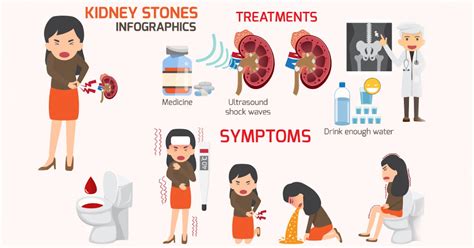
Not every kidney stone passes on its own — and waiting too long to accept that can cost you a kidney. If you’re stuck wondering whether your pain, your scan results, or your symptoms mean it’s time to stop “waiting it out,” this guide breaks down the exact signs doctors look for before recommending kidney stone surgery over medication.
Kidney stone disease affects roughly 1 in 10 people at some point in their lives, and most cases do resolve with fluids, pain management, and time. But a meaningful percentage don’t — and knowing which category you fall into can mean the difference between a few uncomfortable days and a serious kidney infection.
Here’s what actually determines whether you need surgery.
1. The Stone Is Larger Than 6-7mm
Size is the single biggest factor in whether a stone passes naturally.
- Stones under 4mm pass on their own in about 80% of cases
- Stones between 4-6mm have roughly a 50% chance of passing
- Stones over 7mm rarely pass without intervention
If your imaging report shows a stone pushing past that 7mm mark, your doctor will likely start discussing procedural options rather than continuing to prescribe pain relief and hope.
2. Pain Isn’t Responding to Medication
Kidney stone pain — renal colic — is notoriously severe. But there’s a difference between “painful” and “unmanageable.”
If you’re taking prescribed painkillers on schedule and still doubling over, still unable to sit still, still landing in the ER every few days, that’s not a stone your body is winning against. It’s a sign the obstruction is severe enough that medication can’t keep pace with it.
3. You Have Signs of Infection
This is the one symptom that turns a “wait and see” case into an urgent one almost overnight.
Watch for:
- Fever above 100.4°F (38°C)
- Chills or shaking
- Cloudy or foul-smelling urine
- Rapid heart rate alongside flank pain
A stone blocking urine flow while an infection is present is a medical emergency — the kidney can’t drain, bacteria multiply, and sepsis becomes a real risk within hours, not days. This combination almost always requires kidney stone surgery, often on an emergency basis.
4. The Stone Is Blocking Urine Flow Completely
Partial blockages are uncomfortable. Complete blockages are dangerous.
When a stone fully obstructs the ureter, urine backs up into the kidney — a condition called hydronephrosis. Left untreated, this pressure can cause permanent kidney damage in as little as 1-2 weeks. If your scan shows significant swelling or your urologist mentions hydronephrosis, surgery typically moves from “option” to “necessity.”
5. You Have Only One Functioning Kidney
If you were born with a single kidney, or you’ve lost function in one due to a prior condition, the calculus changes entirely.
Doctors won’t take chances waiting for a stone to pass naturally when there’s no backup kidney to compensate. In these cases, even smaller stones often get treated surgically to avoid any risk of kidney failure.
6. The Pain and Symptoms Have Lasted Weeks
Most stones that are going to pass do so within 4-6 weeks. If you’re past that window and still symptomatic, your body has told you what it’s going to do — nothing, on its own.
Prolonged obstruction, even without infection, gradually damages kidney tissue. At this stage, most urologists stop recommending “more time” and start recommending a procedure.
7. You’re Pregnant
Pregnancy limits which medications and imaging tools are safe to use, which narrows the treatment window considerably.
Combined with the added pressure pregnancy already places on the urinary tract, stones in pregnant patients are monitored far more closely — and surgical options like ureteroscopy are often chosen sooner rather than later to avoid complications for both mother and baby.
8. You Have Chronic Kidney Disease or Diabetes
Underlying conditions change the risk calculation.
- Diabetics are more prone to silent infections that don’t present typical symptoms
- CKD patients have less kidney reserve to absorb damage from prolonged obstruction
If you fall into either category, doctors tend to intervene earlier and more decisively rather than risk compounding an existing condition.
9. You Keep Getting Recurrent Stones
A single stone episode might be manageable with medication and lifestyle changes. Recurrent kidney stone disease — three, four, or more episodes — often points to an underlying metabolic issue that medication alone won’t fix.
In these cases, surgery isn’t just about removing the current stone. It’s often paired with:
- Stone composition analysis
- Metabolic workup
- Preventive treatment planning
This combination approach reduces the odds you’ll be back in the same position 6 months later.
What Kidney Stone Surgery Actually Involves
If you’ve hit one or more of these signs, it helps to know surgery today doesn’t mean what it did 20 years ago. Most procedures are minimally invasive:
- Shockwave lithotripsy (ESWL) — breaks stones apart using sound waves, no incision required
- Ureteroscopy — a thin scope removes or breaks up the stone through the urinary tract
- Percutaneous nephrolithotomy (PCNL) — used for larger stones, via a small back incision
Recovery for most of these is measured in days, not weeks — a far cry from the open surgeries of the past.
When to Stop Waiting and Get Evaluated
If you’re experiencing fever, unmanageable pain, or symptoms that have dragged on for weeks, don’t keep waiting for the stone to “just pass.” Get evaluated by a urologist who can run imaging and tell you definitively where you stand.
Kidney stone disease is common, but untreated obstruction isn’t something to gamble with — a kidney can sustain lasting damage before pain even signals how serious things have gotten.
Talk to a urology specialist today to get proper imaging and a clear answer on whether your stone needs medication, monitoring, or surgery — before the decision gets made for you in an emergency room.