

Would Stop Immediately
Do you regularly delay going to the toilet because you’re busy? Perhaps you drink very little water during the day, then wonder why your urine is dark or uncomfortable to pass.
Many men unknowingly repeat habits that can affect their bladder, kidneys, prostate and sexual health. According to a urologist in Dubai, the problem isn’t usually one occasional mistake. It’s allowing an unhealthy behaviour to become part of your daily routine.
Here are ten habits worth reconsidering—and practical ways to replace them.
Why Everyday Habits Matter to Men’s Urological Health
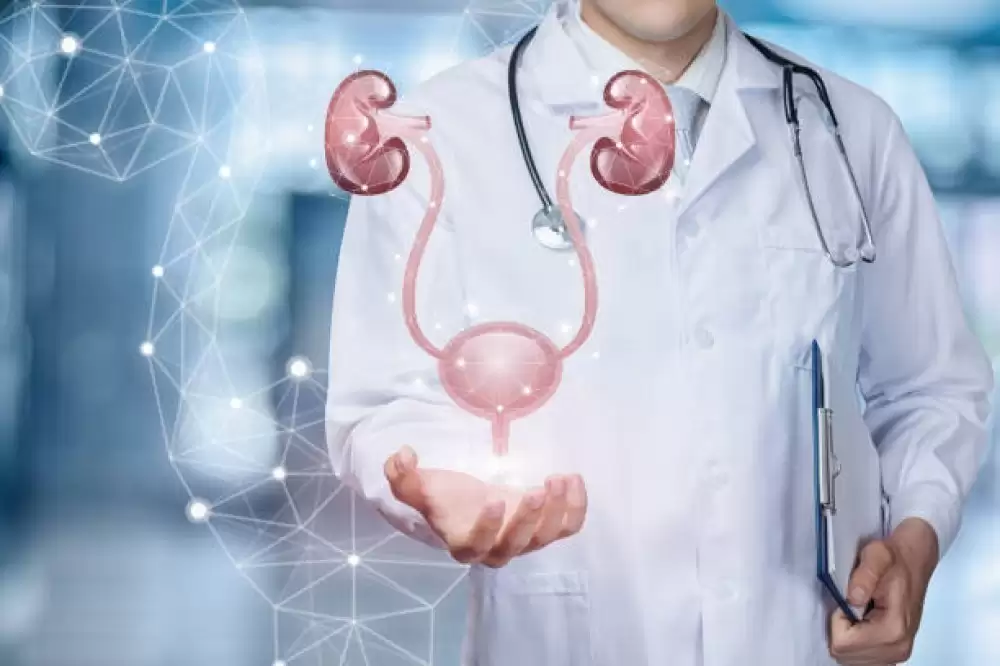
The urinary system relies on the kidneys, ureters, bladder and urethra working together. In men, the prostate can also influence urinary flow, particularly as it enlarges with age.
Lifestyle choices don’t cause every urological condition. Genetics, age, infections, medicines and existing health conditions also matter. However, certain habits may contribute to bladder irritation, dehydration, stone formation or delayed diagnosis.
The encouraging part? Many of these behaviours are within your control.
1. Holding Your Urine for Too Long
You’re halfway through a meeting, stuck in traffic or trying to finish a task. Going to the toilet can wait—right?
Occasionally postponing urination is usually unavoidable. Regularly ignoring the urge, however, isn’t a healthy bladder habit. Holding urine for extended periods can place unnecessary strain on the bladder and may make complete emptying more difficult.
Urine remaining in the bladder may also allow bacteria to multiply, potentially increasing the risk of infection. The National Institute of Diabetes and Digestive and Kidney Diseases recommends using the toilet when needed and allowing enough time to empty the bladder properly.
A better approach is simple:
- Respond to your body’s natural urge
- Avoid routinely delaying urination for hours
- Take enough time to empty your bladder without rushing
- Seek advice if you frequently feel unable to empty it completely
2. Drinking Too Little Water
Dubai’s heat can increase fluid loss through sweating, particularly for men who work outdoors, exercise regularly or spend long periods travelling.
When fluid intake is insufficient, urine becomes more concentrated. This may irritate the bladder and can contribute to the conditions in which certain kidney stones form. Dark yellow urine, a dry mouth, headaches and reduced urination may indicate dehydration.
There isn’t one ideal amount of water for everyone. Your needs depend on your activity, health, medication and environment. People with heart or kidney conditions may also require individual fluid guidance.
For many healthy adults, urine that remains pale yellow is a useful everyday hydration indicator. Rather than drinking several litres at once, spread your intake across the day.
3. Replacing Water With Energy Drinks and Excessive Caffeine
Coffee, strong tea, cola and energy drinks can all contribute fluid—but that doesn’t mean unlimited consumption is harmless.
Caffeine may increase urinary urgency or frequency in some people. Carbonated, acidic and artificially sweetened drinks may also aggravate bladder symptoms in susceptible men. Energy drinks can be particularly problematic because they may combine large amounts of caffeine, sugar and other stimulants.
You don’t necessarily need to give up your morning coffee. Instead:
- Notice whether caffeine worsens urgency or frequent urination
- Avoid using energy drinks as your main source of fluid
- Reduce intake gradually if you consume several caffeinated drinks daily
- Alternate caffeinated beverages with water
If reducing caffeine doesn’t improve persistent urinary symptoms, consult a male urologist rather than continuing to experiment alone.
4. Eating Too Much Salt and Highly Processed Food
A diet dominated by takeaway meals, processed meats, crisps and packaged snacks can contain substantial amounts of salt.
High sodium intake can raise the amount of calcium excreted in urine, which may increase the risk of certain kidney stones in susceptible people. Excess salt is also linked to high blood pressure, a major risk factor for kidney disease.
Improving your diet doesn’t require an extreme “kidney cleanse”. Start with manageable changes:
- Check sodium levels on packaged food
- Eat fewer processed meats and salty snacks
- Cook more meals using fresh ingredients
- Include vegetables, fruit, whole grains and suitable protein sources
- Discuss personalised dietary advice if you’ve previously had kidney stones
The right stone-prevention diet depends on the type of stone. Cutting out all calcium, for example, isn’t appropriate for everyone and may be counterproductive.
5. Smoking and Assuming It Only Affects the Lungs
Smoking affects far more than respiratory health. It’s a major risk factor for bladder cancer and kidney cancer, and it can damage blood vessels throughout the body.
Healthy blood flow is essential for erections. Over time, smoking-related vascular damage may therefore contribute to erectile difficulties as well as cardiovascular disease.
Quitting can be challenging, particularly when smoking is tied to work breaks or social routines. Professional cessation support, nicotine-replacement options and prescription treatments may improve the chance of success.
If there’s one habit on this list that deserves immediate attention, smoking belongs near the top.
6. Straining or Pushing to Urinate
Some men routinely push their abdominal muscles to make urine come out faster. Others squeeze out the final drops because they feel they haven’t finished.
Forceful straining shouldn’t be necessary during normal urination. A consistently weak stream, hesitancy, dribbling or incomplete emptying may be associated with prostate enlargement, urethral narrowing, bladder dysfunction or another condition requiring assessment.
Try to relax and allow urine to pass naturally. Don’t repeatedly stop and restart the stream as a self-directed pelvic floor exercise, either.
Speak to a urologist in Dubai if you regularly need to strain, especially when the problem is worsening or accompanied by pain.
7. Ignoring Constipation
What does bowel health have to do with urination? More than many men realise.
The bowel and bladder sit close together within the pelvis. A full, constipated bowel can place pressure on the bladder and may aggravate urgency, frequency or difficulty emptying. Repeated straining can also affect the pelvic floor.
Helpful measures may include:
- Increasing dietary fibre gradually
- Drinking an appropriate amount of water
- Exercising regularly
- Responding to the urge to open your bowels
- Seeking medical advice for persistent constipation
Regular bowel movements form part of healthy bladder care—not a separate concern.
8. Sitting for Most of the Day and Neglecting General Fitness
Long working hours, daily driving and evenings spent on the sofa can leave little room for movement. Sedentary behaviour doesn’t automatically cause a urological disease, but it can contribute to obesity, diabetes and poor cardiovascular health.
These conditions are closely connected with kidney health, bladder control and erectile function. Erectile dysfunction can sometimes be an early sign of an underlying blood-vessel or metabolic problem rather than an isolated sexual issue.
Break up long periods of sitting, maintain a healthy weight and include regular aerobic and resistance exercise appropriate for your fitness level. Your bladder, sexual health and heart often benefit from the same lifestyle improvements.
9. Self-Medicating With Antibiotics, Supplements or Erectile-Dysfunction Products
Burning urination doesn’t always mean a simple urinary tract infection. It may be linked to prostatitis, a sexually transmitted infection, a stone or another source of irritation.
Using leftover antibiotics can delay the correct diagnosis and contribute to antimicrobial resistance. Similarly, “prostate detox” supplements and unregulated erectile-dysfunction products may contain ineffective, unsuitable or undisclosed ingredients.
Men should also avoid borrowing prescription medicines from friends. A treatment that’s safe for one person may interact with another person’s heart medication or underlying condition.
A qualified male urologist can investigate the cause rather than treating symptoms blindly.
10. Waiting for Symptoms to Become Unbearable
Embarrassment is one of the most harmful habits in men’s health.
Some men tolerate urinary leakage, erection difficulties, testicular changes or blood in the urine for months because they feel uncomfortable discussing them. Others assume that poor urine flow is simply part of ageing.
Ageing may increase the likelihood of certain conditions, but symptoms still deserve assessment. Visible blood in the urine, for instance, may result from infection, stones, prostate enlargement or a more serious disease. It should not be dismissed simply because it disappears.
Arrange an assessment with a urologist in Dubai if you experience:
- Blood in the urine
- A persistent weak or interrupted stream
- Burning or pain during urination
- Frequent or urgent urination
- Repeated waking at night to urinate
- Difficulty starting or completely emptying the bladder
- Persistent pelvic, flank or testicular discomfort
- A testicular lump, swelling or change in shape
- Recurrent urinary infections
- Ongoing erectile or ejaculation problems
When Is a Urological Symptom an Emergency?
Some symptoms shouldn’t wait for a routine appointment. Seek urgent medical attention if you have:
- Sudden, severe testicular pain
- Complete inability to pass urine
- Blood clots obstructing urine flow
- Severe flank pain with fever, chills or vomiting
- Urinary symptoms accompanied by confusion or serious weakness
- Significant genital or urinary-tract trauma
Sudden testicular pain may be caused by testicular torsion, in which the spermatic cord twists and compromises blood supply. Prompt treatment is critical.
Small Changes That Support Better Urological Health
You don’t need an elaborate wellness routine. Start by replacing repeated harmful behaviours with realistic alternatives.
| Stop doing this | Try this instead |
| Holding urine for hours | Use the toilet when you feel a clear urge |
| Drinking very little water | Spread appropriate fluid intake throughout the day |
| Relying on energy drinks | Make water your main drink |
| Straining to urinate | Relax and allow time for natural emptying |
| Eating highly processed meals daily | Choose more fresh, lower-sodium foods |
| Ignoring constipation | Address fibre, fluids, movement and bowel habits |
| Buying unregulated treatments | Seek a proper diagnosis |
| Hiding symptoms | Discuss them openly with a qualified doctor |
These measures can support urinary health, but they don’t replace medical assessment. A male urologist can personalise advice based on your age, symptoms, medical history and test results.
Frequently Asked Questions About Men’s Urological Health
How often should a healthy man urinate?
There’s no single number that applies to everyone. Frequency varies with fluid intake, temperature, medication and health conditions. A significant change in your usual pattern, particularly when accompanied by urgency, pain or leakage, should be discussed with a doctor.
Can holding urine damage the bladder?
Occasionally delaying urination is unlikely to cause lasting damage. Regularly holding urine for prolonged periods may weaken bladder function, contribute to incomplete emptying and increase the likelihood of infection in some people.
What colour should healthy urine be?
Urine is generally clear to pale yellow when hydration is adequate. Darker urine can indicate dehydration, although food, medicines and medical conditions may also change its colour. Pink, red or brown urine requires medical attention when blood is suspected.
Should men see a urologist for erectile dysfunction?
Yes, particularly when erectile dysfunction is persistent, begins suddenly or occurs alongside other symptoms. It can be associated with hormonal, neurological, psychological, medication-related or cardiovascular factors. A urological assessment can help identify the cause.
When should a man visit a urologist?
Consult a urologist in Dubai for persistent changes in urination, recurrent infections, kidney stones, prostate concerns, testicular abnormalities, incontinence or sexual-health problems. Sudden severe pain, inability to urinate or fever with urinary symptoms requires urgent care.
Protecting Your Urological Health Starts With Paying Attention
The habits urologists most want men to stop aren’t always dramatic. They’re often ordinary behaviours: postponing toilet visits, under-hydrating, smoking, straining and hoping an embarrassing symptom will disappear.
Changing these patterns can support bladder, kidney, prostate and sexual health. Just as importantly, recognising symptoms early may prevent a manageable problem from becoming more complicated.
Dr Mahesh K Dhanjee treats paediatric and adult urological conditions, including prostate disease, renal stones, incontinence, renal oncology and erectile dysfunction. He places particular importance on listening without judgement so patients can discuss symptoms comfortably, regardless of any embarrassment or guilt they may feel. Further information or an appointment request is available through urologistdubai.ae.
