

If you are planning an African safari to see the Great Migration, you probably already know that it is a dynamic, ever-moving spectacle. Over two million animals, wildebeests, zebras, and gazelles, travel in a massive, clockwise loop across the Serengeti-Mara ecosystem.
But here is the catch: the herds don’t follow a strict calendar. They follow the rain.
If it rains early in the north, the herds move early. If a drought persists in the south, they stay put. Booking a safari based purely on historical monthly averages can result in arriving at empty plains while the action is happening a hundred miles away.
This is exactly where a live wildebeest migration tracker becomes your most valuable travel asset. Let’s look at how utilizing real-time tracking data ensures you end up in the exact right place at the right time.
Turning Unpredictable Nature into a Navigable Map
A common misconception is that the Great Migration is just one tight block of animals moving together like a highway convoy. In reality, the migration is broken up into several immense mega-herds, with smaller splinter groups stretching out over hundreds of kilometers.
A digital migration tracker compiles data from multiple reliable sources on the ground, including:
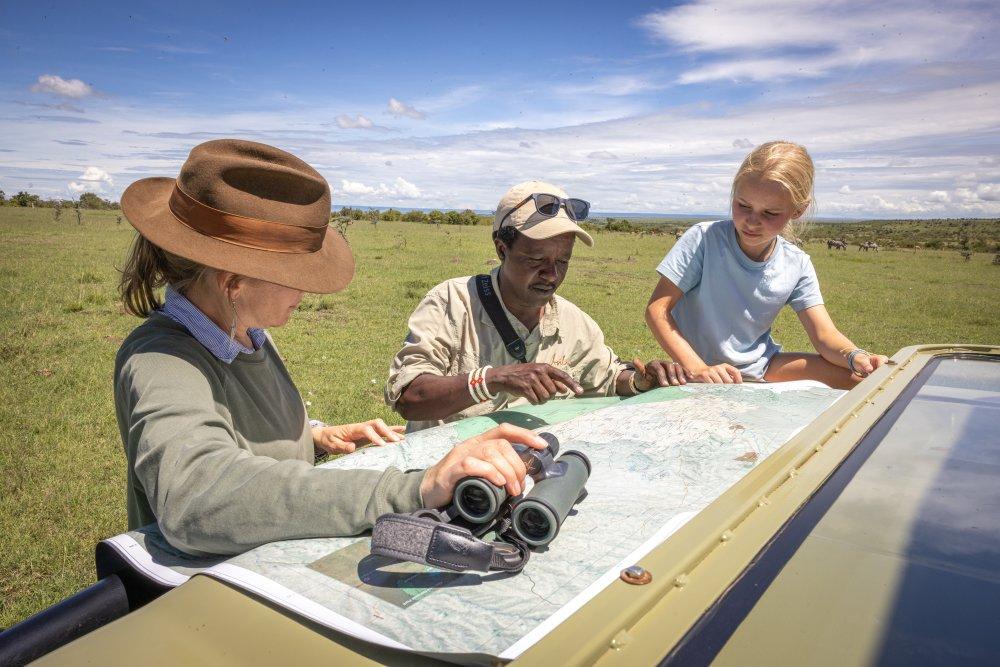
- Safari guides radioing in daily coordinates from game drives.
- Bush pilots reporting herd densities and dust clouds from the air.
- National park rangers tracking cross-border movements.
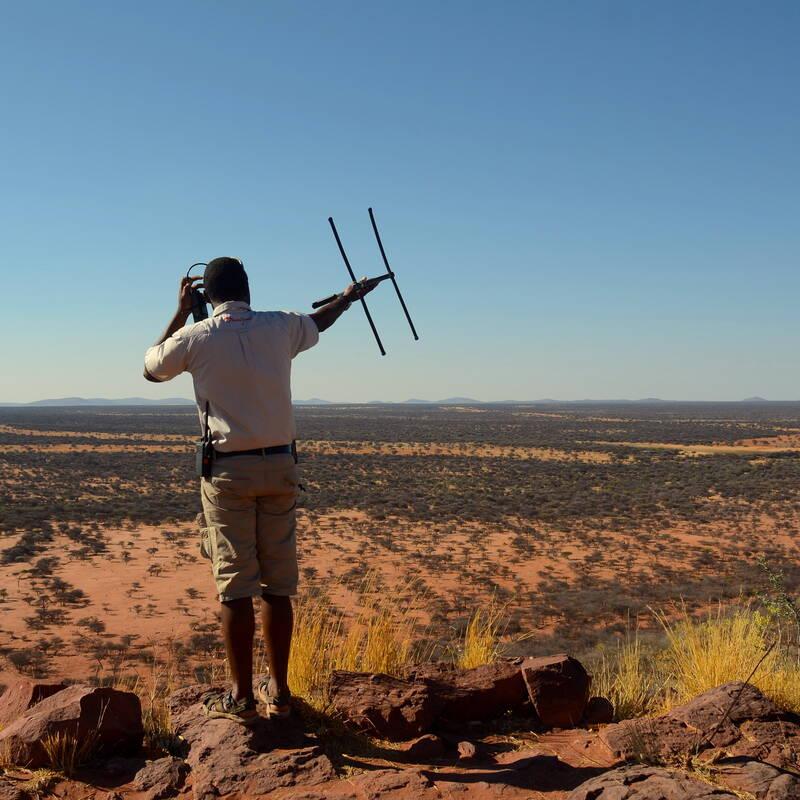
- Satellite and GPS collars attached to select animals for scientific tracking.
By aggregating this data onto a live, interactive map, a tracker removes the guesswork. Instead of guessing whether the herds have started crossing the treacherous Mara River, you can see verified reports of recent crossing points.
Why Real-Time Tracking Saves Your Safari
Using a tracker changes the way you plan and experience your trip in two major ways:
1. Pinpoint Accurate Accommodation Booking
Because the herds dictate the action, your choice of lodge or mobile camp is critical. If you are planning a trip during the high-stakes river crossings, using tracking data helps you choose between a camp in the Northern Serengeti or one across the border in Kenya’s Maasai Mara. For a look at how we structure our itineraries around these movements, explore our custom Serengeti safari packages.
2. Tailoring the Perfect Seasonal Strategy
The tracker lets you see how weather anomalies are altering the traditional route. For instance, if you want to witness the peak of the calving season in the southern plains, monitoring the tracker ahead of your trip reveals whether the herds have settled into the Ndutu region yet. To align your calendar perfectly with the herds, take a look at our expert guide on the best time to visit Serengeti.
A Tracker’s Golden Rule: While a tracker shows you where the animals were yesterday, nature can pivot in an afternoon. Always pair digital tracker data with a highly experienced local guide who can read fresh tracks, wind directions, and predator behavior in real time.
Ready to Track the Herds?
If you are looking to witness the raw drama of the calving season firsthand, timing your arrival to match the herd’s location is everything. Discover how we position our guests right in the center of the nursery on our specialized Ndutu calving season safari page.
Don’t leave your bucket-list trip to chance. Contact us today, and let our ground experts use real-time tracking insights to craft your perfect, herd-centered itinerary.


