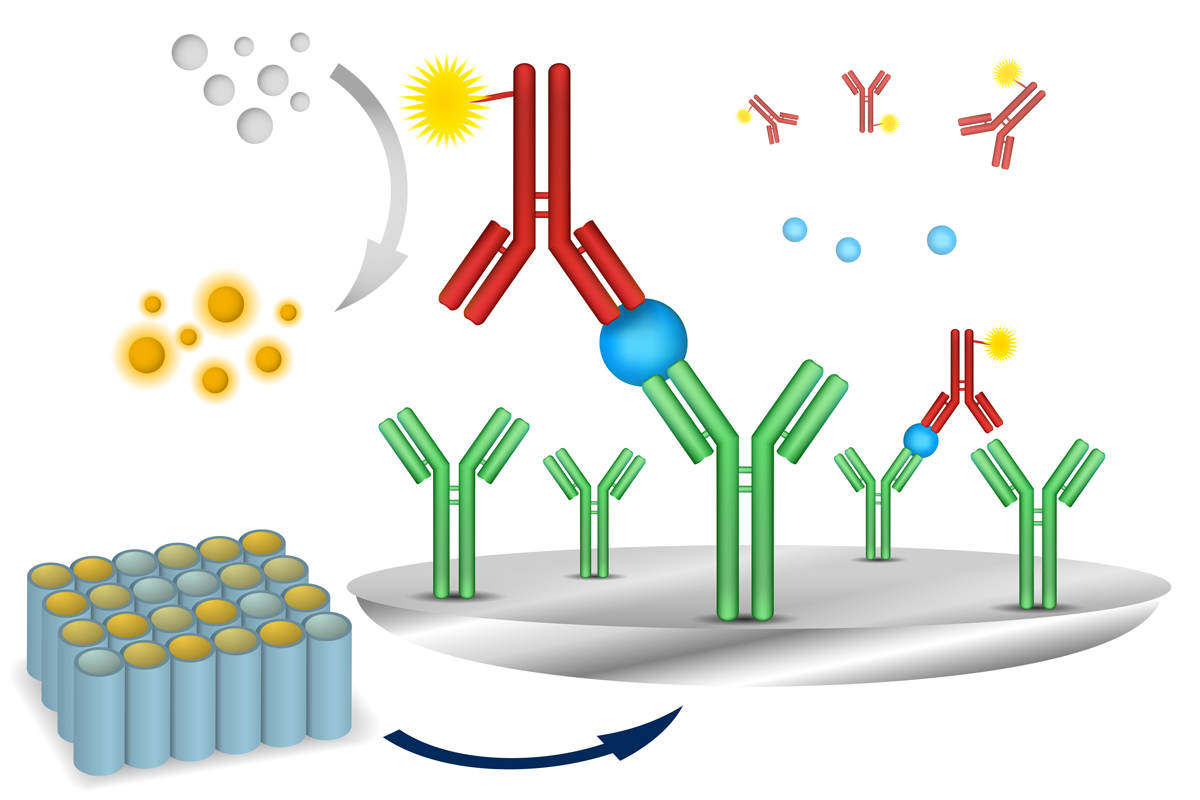
Developing targeted biologics and gene therapies requires exact quantification of analytes within biological matrices. Researchers frequently encounter barriers related to sample throughput and lower limits of quantitation. A standard Bioanalytical Laboratory must resolve these issues while maintaining strict quality controls. Selecting the appropriate platform addresses these analytical challenges directly. Two widely used techniques in a Bioanalytical CRO are the traditional ELISA assay method and the Meso Scale Discovery (MSD) platform. Evaluating the technical aspects of each system enables scientists to generate reliable data for pharmacokinetic and immunogenicity assessments.
Understanding the ELISA Assay Method
The ELISA method relies on antigen-antibody interactions paired with an enzymatic reaction to produce a measurable signal. This signal is typically colorimetric or fluorometric and is read by a standard spectrophotometer. For decades, researchers have utilized ELISA Assays to quantify proteins, peptides, and monoclonal antibodies.
- Historical Reliability: The scientific community trusts ELISA Analysis for its established protocols and simple execution.
- Assay Formats: Researchers utilize multiple formats, including direct, indirect, sandwich, and competitive setups, depending on the target molecule and available reagents.
- Reagent Availability: A standard ELISA lab benefits from a vast commercial supply of validated antibodies, conjugate enzymes, and substrate solutions.
- GLP-Compliant Environment: Integrating this method into a GLP-compliant laboratory is highly documented. Routine ELISA assays provide baseline data that regulators readily accept for drug development programs.
While highly reliable, researchers sometimes require greater multiplexing capabilities than a standard plate reader can provide.
Evaluating the MSD Platform
The Meso Scale Discovery (MSD) platform utilizes electrochemiluminescence (ECL) technology. Instead of an enzymatic color change, the MSD system employs specific ruthenium labels that emit light upon electrical stimulation.
- Electrochemiluminescence Advantages: ECL technology separates the excitation source from the emission signal. Electrical stimulation at the electrode surface excites the ruthenium labels, which then emit a measurable photon. This separation minimizes background noise and improves the signal-to-noise ratio.
- Multiplexing Capabilities: The platform enables the placement of multiple distinct capture spots within a single microplate well. Researchers can measure multiple analytes simultaneously from a single sample volume.
- Broad Detection Range: The MSD system captures a wide range of concentrations. This functional capacity reduces the need to run multiple sample dilutions to determine the assay’s linear range.
Comparative Analysis of Both Platforms
When comparing the ELISA Assay Method with the MSD platform, several technical parameters require side-by-side evaluation to determine the optimal approach for bioanalysis.
- Dynamic Range: MSD typically offers a broader dynamic range, sometimes reaching up to 5 logs. In contrast, traditional ELISA assays typically operate within a 2- to 3-log range.
- Sensitivity: ECL technology in MSD often detects analytes at lower concentrations than standard colorimetric assays, which is highly beneficial for low-abundance biomarkers.
- Matrix Effects: Biological matrices like plasma, serum, or cerebrospinal fluid can interfere with signal detection. The carbon electrode surface of MSD plates often resists non-specific binding more effectively than that of traditional polystyrene plates.
- Sample Volume: Multiplexing on the MSD platform requires less total sample volume per analyte compared to running multiple singleplex ELISA assays.
- Orthogonal Data Verification: Sometimes, orthogonal data from mass spectrometry or HPLC Testing Services is necessary to confirm assay specificity. Both immunoassay platforms integrate well into a broader analytical strategy.
Strategic Selection Criteria for Bioanalysis
Choosing between these platforms depends on specific study requirements, drug development phases, and analytical goals.
- Pharmacokinetics Requirements: If a study requires high sensitivity to detect late-stage drug clearance or minute changes in biomarkers, MSD is often preferred. For standard drug concentration monitoring with relatively high expected concentrations, ELISA analysis remains highly effective.
- Assay Validation Complexity: Validating a multiplex MSD assay requires rigorous testing for cross-reactivity between different capture antibodies within the same well. Validating singleplex ELISA assays is typically more straightforward and requires fewer cross-reactivity checks.
- Budget Considerations: MSD instruments and proprietary plates carry higher initial and operational costs. An ELISA lab generally incurs lower consumable costs, making it an attractive option for projects with strict budget constraints.
Must Read: Integrating Biochemical Assays into Drug Discovery Workflows
Regulatory Considerations in a Bioanalytical CRO
Generating data for IND and NDA submissions requires strict adherence to regulatory standards. An FDA-audited Bioanalytical CRO must maintain data integrity regardless of the chosen platform.
- FDA and ICH Standards: Both platforms require rigorous assay validation in accordance with FDA and ICH guidelines. Key parameters tested include accuracy, precision, selectivity, specificity, and stability.
- GLP-Compliant Operations: Equipment calibration, software validation for 21 CFR Part 11 requirements, and standard operating procedures must govern the use of both systems.
- Documentation and Traceability: Regulators expect detailed records of reagent lots, standard-curve performance, and quality-control sample recovery to ensure reproducibility.
Conclusion
The choice between the ELISA method and the MSD platform requires careful evaluation of several factors, including sensitivity requirements, multiplexing capabilities, and budgetary constraints. The ELISA method offers a strong and cost-effective approach for single-analyte quantification. In contrast, the MSD platform provides superior sensitivity and multiplexing capacity, making it suitable for more complex biological analyses. A successful regulatory submission is contingent upon collaboration with a bioanalytical laboratory that has extensive experience and operates under stringent quality systems. Such a facility ensures the analytical rigor required for pharmacokinetic studies and other regulated bioanalyses, ultimately providing reliable data for regulatory filings.