High-speed roads require clear, well-positioned signage to support safe driving. With higher travel speeds and longer stopping distances, drivers rely on road traffic signs to receive timely and reliable information. On motorways and highways, signage must meet higher standards for visibility, placement and consistency so drivers can recognise and respond to information well in advance.
Why High-Speed Roads Need Specialised Traffic Signs
Higher speeds reduce the time drivers have to detect, interpret and react to road conditions. Specialised traffic signs provide early warning of hazards, regulate driver behaviour and reduce sudden braking or unsafe lane changes that can lead to serious incidents.
Motorways and highways also carry higher traffic volumes and a greater mix of vehicle types, including heavy vehicles with longer stopping distances.
Legal and Design Standards for High-Speed Road Signs
In Australia, road traffic signs must comply with nationally recognised standards governing colour, symbols, lettering size, placement and reflective performance. These standards ensure signs remain legible at high speeds, at night and in poor weather.
Mandatory Traffic Signs Used on High-Speed Roads
Mandatory signs control driver behaviour and must be positioned early enough to allow smooth and safe responses. Common examples include:
- Speed limit signs defining maximum permitted speeds
- Lane control signs guiding correct lane use
- Restriction signs preventing unsafe manoeuvres
When correctly installed, these signs reduce uncertainty and help maintain steady traffic flow.
Warning Traffic Signs for High-Speed Conditions
Warning signs alert drivers to upcoming hazards that require early action. On high-speed roads, these signs are installed well in advance to allow gradual speed adjustment. Typical warnings include:
- Sharp curves
- Merging traffic
- Steep gradients
- Roadworks and temporary traffic changes
Early warnings improve driver awareness and reduce collision risk.
Directional and Informational Signs
Directional signs guide drivers to exits, destinations and service facilities. At higher speeds, drivers need additional time to read and process information. Clear layouts, consistent symbols and advanced placement reduce last-minute lane changes and support safer navigation on major routes.
Placement and Visibility Requirements
Sign placement is determined by speed limits, road geometry and traffic volumes. Signs must be installed at approved heights and locations to avoid obstruction by roadside features. Reflective materials enhance visibility at night and in adverse weather, while routine maintenance ensures signs remain clean and effective.
Supporting Signage with Roadside Safety Measures
Traffic signs are most effective when reinforced by physical safety measures, particularly near known hazards. These may include:
- Advance warning signs before high-risk areas
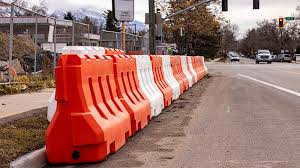
- Traffic barrier near bridges, curves or slip roads
- Consistent roadside alignment to support predictable vehicle paths
Combining signage with physical controls strengthens driver awareness and reduces incident severity.
Managing Hazards in High-Speed Zones
Temporary and permanent hazards on high-speed roads require additional controls, such as:
- Lane narrowing near construction zones
- Edge protection along open carriageways
- Traffic barriers separating vehicles from fixed hazards
Integrating clear signage with physical protection improves driver response and overall safety outcomes.
Conclusion
High-speed roads rely on clear signage, consistent standards and ongoing maintenance. When supported by appropriate roadside safety measures, well-designed traffic signs help drivers make safe decisions at speed. Consistent application of these requirements improves safety, reduces risk and supports reliable transport networks across Australia.